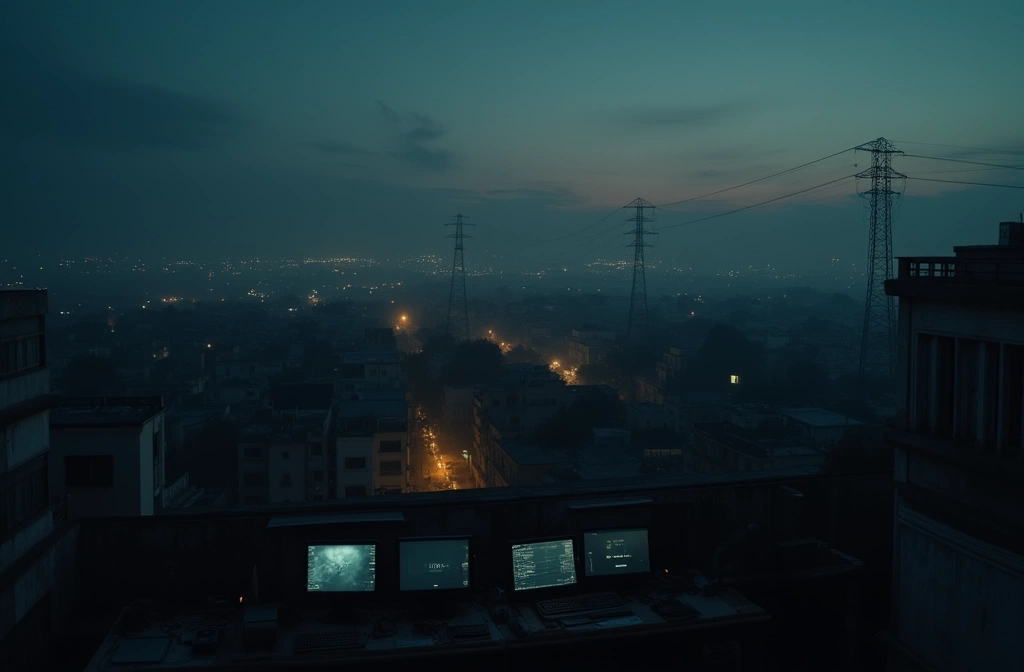
According to Cuba Headlines, the National Power Grid of Cuba experienced a complete blackout on Tuesday at 11:05 a.m. local time. This marks the fifth grid-wide outage in 2026 alone—a pattern that suggests systemic vulnerability rather than isolated incident.
The energy minister's public denial that human error caused the collapse is notable precisely because it shifts focus to other vectors: aging infrastructure, component failure, or external stress on an already fragile system. When officials emphasize what didn't happen, it often indicates they're uncertain about root cause or prefer not to disclose it.
What matters here: Cuba's grid is showing stress-response signatures typical of systems operating beyond design margins. Repeated cascading blackouts—especially at this frequency—indicate that recovery mechanisms are not holding. Each restart cycle stresses aging generation and distribution assets further.
For preparedness readers, this matters because Cuba's grid collapse pattern offers a real-world case study in how vulnerable grids degrade once they cross a threshold. The island's geographic isolation, fuel import dependency, and aging generation fleet create a worst-case stress environment. The pattern we're seeing—five failures in seven months—suggests the system may be approaching a tipping point where blackout frequency increases rather than stabilizes.
The minister's statement tells us official diagnostics remain incomplete. That's a yellow flag. Systems that fail repeatedly without clear root cause attribution often fail again, sometimes worse.
What to watch: Whether the inter-event period shrinks further. If collapses accelerate from five per year toward weekly or daily frequency, that signals cascade is no longer containable. Neighboring Caribbean and Central American grids should monitor whether Cuban failures correlate with their own stability issues—grid stress can propagate regionally.
