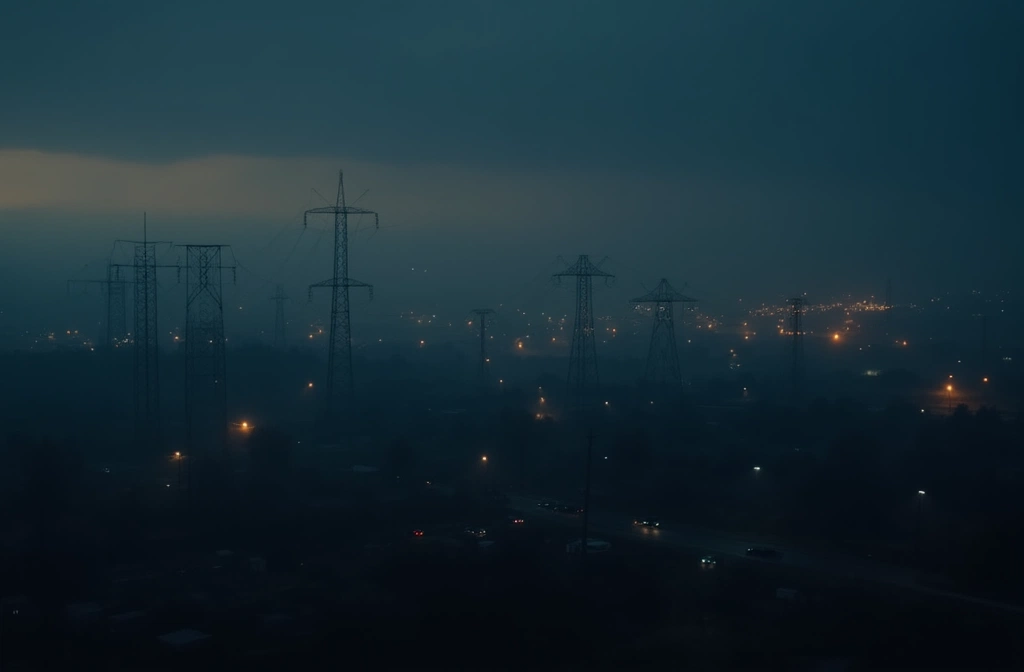
Cuba's electrical grid collapsed again this week, marking the second nationwide blackout in seven days and the fourth total grid failure in 2026 to date, according to reporting by The Canberra Times. The Canberra Times attributes the outage to a U.S. oil blockade that has left the island nation without sufficient fuel to operate generation capacity.
Cuba's energy ministry announced via social media that recovery protocols were being activated, and grid operator UNE (Unión Nacional Eléctrica) began restoration efforts—language consistent with a controlled but reactive response to cascade failure.
This pattern matters for infrastructure analysts for three reasons. First, it demonstrates how single-source fuel dependency creates critical vulnerabilities: when one supply chain breaks, the entire grid becomes fragile. Second, it shows that even modern grid operators with established protocols (UNE exists and has documented procedures) can face repeated total failures when underlying conditions don't improve between events. Third, the frequency—four collapses in roughly six months—suggests the system is operating without margin. Recovery from one event leaves no buffer before the next trigger.
The stated cause (oil embargo impact on fuel availability) is specific and attributed to a named source. What remains unclear from available reporting is whether the outages stem from generation capacity shortfalls, distribution system damage, or both—a distinction that matters for understanding recovery timelines.
What to watch: Monitor whether the interval between outages shortens or stabilizes. Deteriorating intervals suggest cascading physical damage to grid infrastructure itself, not just fuel constraints. Watch for any reporting on damage to generation stations or transmission lines sustained during restart cycles—repeated blackout-restart cycles stress equipment.
For readers managing critical-infrastructure dependencies or operations with no margin for extended outages, this serves as a live-action case study in single-point-of-failure risk. Cuba's repeated grid collapses aren't unique to sanctions pressure; they're archetypal symptoms of infrastructure operating without redundancy or diverse fuel sources.
