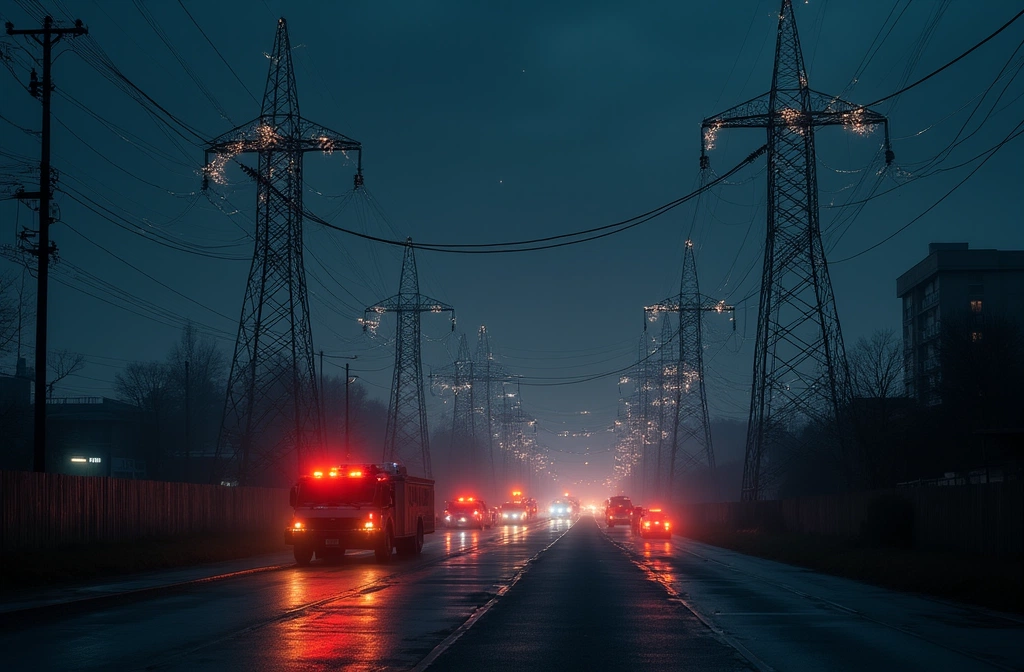
Cuba's electrical grid is experiencing rapid, repeated systemic failures. According to Havana Times, the island nation has suffered five complete grid collapses so far in 2026, and ten total in less than two years. The most recent blackout occurred on July 15th, immediately following two nationwide failures on July 6th and 10th—a compressed failure timeline that suggests the grid is approaching critical fragility.
What makes this pattern significant: each collapse is followed by partial restoration, then additional outages even as authorities declare power restored. Havana Times explicitly noted that thousands of Cubans continued reporting outages after official announcements, indicating either communication breakdown, localized cascade failures, or both.
For preparedness analysis, this matters because it demonstrates how aging infrastructure under sustained stress produces not single-point failures, but cascading collapses in quick succession. Cuba's grid, already constrained by fuel supply and maintenance limitations, appears to be in a deteriorating state where repair windows are shrinking faster than recovery can occur.
The compressed timeline—three major collapses in nine days—suggests the grid may be approaching a threshold where each restart attempt stresses remaining capacity. This pattern has been observed in other aging grids before major prolonged outages.
For readers in areas dependent on aging or stressed infrastructure (aging coal plants, limited redundancy, fuel supply constraints), this case study illustrates what happens when grid margin erodes: failures accelerate and recovery times lengthen. The gap between official "restoration" and actual power availability—as reported by Havana Times—also underscores the importance of independent verification during grid events.
Watch for whether Cuba's blackout frequency continues to compress, whether localized rolling outages become endemic, and whether fuel supply announcements coincide with failure patterns.
