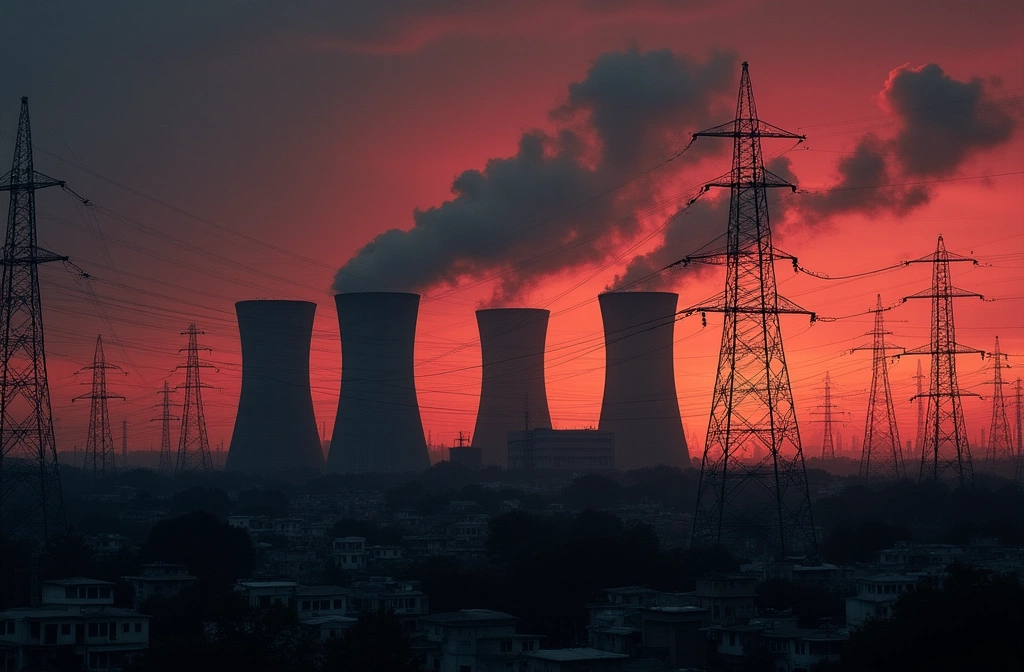
On Tuesday, July 15, Cuba's energy ministry confirmed another collapse of the nation's power grid, marking the third major blackout within a nine-day window, according to Reuters reporting. This is not a single isolated failure—it's an accelerating pattern.
What matters: Grid collapses of this frequency and scale signal systemic degradation. Whether caused by aging infrastructure, fuel constraints, maintenance backlogs, or equipment failures, the underlying issue is the same—the system is losing resilience. When a grid fails repeatedly in short cycles, it indicates the margin between operational capacity and demand has collapsed.
For Cuba's population, repeated blackouts disrupt water treatment, refrigeration, medical systems, communications, and fuel distribution. Each outage compounds stress on the grid itself; equipment cycling on and off under stress accelerates wear. This creates a feedback loop: more failures lead to faster deterioration, which leads to more failures.
What to watch: The critical indicator is frequency acceleration. If blackouts continue clustering within days or hours of restoration, that signals the grid is approaching systemic breakdown rather than experiencing isolated equipment faults. A pattern of three in nine days warrants close attention to whether the interval compresses further.
Secondarily, monitor reports of cascading impacts—fuel shortages, water system failures, communications outages, or civil unrest—that would indicate the blackouts are degrading other critical infrastructure dependencies. Grid failures don't exist in isolation; they trigger secondary failures in interconnected systems.
Historical context: The 2003 Northeast Blackout across North America demonstrated how modern grids can fail catastrophically even in developed nations with redundancy and oversight. Cuba's grid lacks those fail-safes. Repeated failures in quick succession suggest a system approaching the threshold where recovery becomes progressively harder, not easier.
