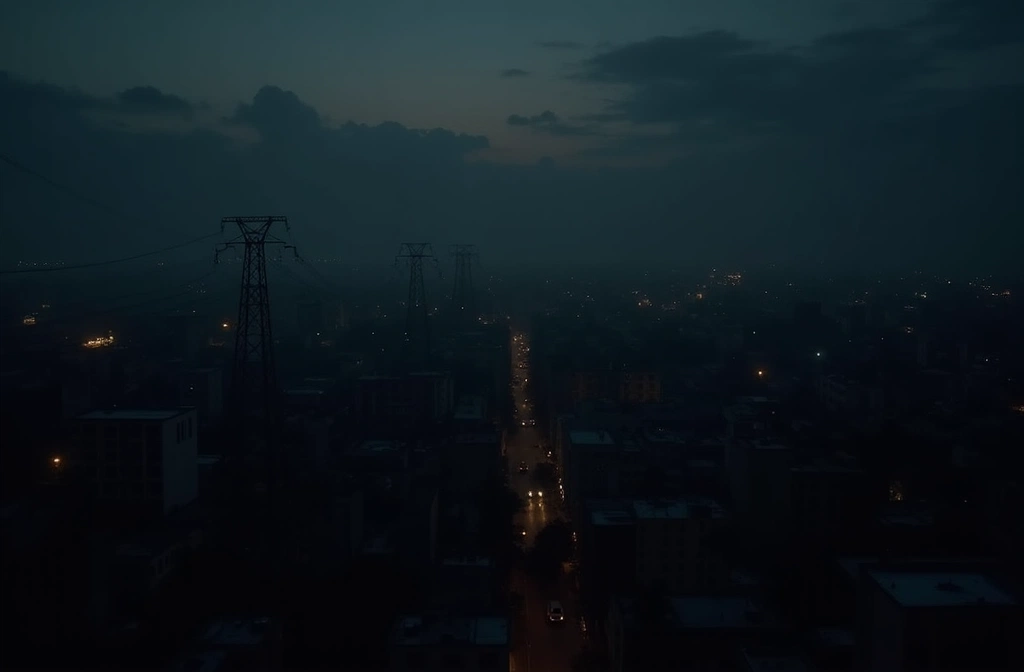
Cuba experienced its second islandwide blackout in one week on July 10, according to reporting from Reuters, Bloomberg, and multiple newswires. Cuba's Electric Union confirmed the outage. Reuters reported this marks the fourth nationwide grid collapse in 2026 alone.
The cascading failures are rooted in chronic fuel shortages and deteriorating grid infrastructure. According to multiple sources including AP and Bloomberg, the blackouts stem from power grid degradation and fuel availability constraints linked to a U.S. energy blockade—a geopolitical factor explicitly cited by the reporting agencies.
What makes this pattern significant: back-to-back total blackouts separated by days are unusual for Cuba, even as total outages have become increasingly common across the Caribbean nation. This suggests the grid has crossed a threshold where recovery windows between catastrophic failures are narrowing, and redundancy margins are effectively gone.
For preparedness analysis, Cuba's grid collapse pattern illustrates how infrastructure decay accelerates nonlinearly. A grid under chronic resource stress doesn't fail gradually—it fails in clusters. Once fuel reserves drop below a critical threshold and repair capacity is exhausted, the system enters a failure cascade where each outage delays recovery of the next, compressing the interval between events.
The significance extends beyond Cuba itself. Island grids and isolated power systems globally operate on narrower margins than continental networks. When sustained external constraints (fuel access, parts availability, capital for maintenance) tighten simultaneously, the system moves from "degraded but functional" to "structurally unstable" faster than linear models predict. This has direct implications for any region dependent on external fuel inputs or spare parts supply chains.
Monitor: whether outage duration increases, whether partial rather than total blackouts begin to fail, and whether regional power sharing (if available) can provide temporary relief or is also exhausted.
