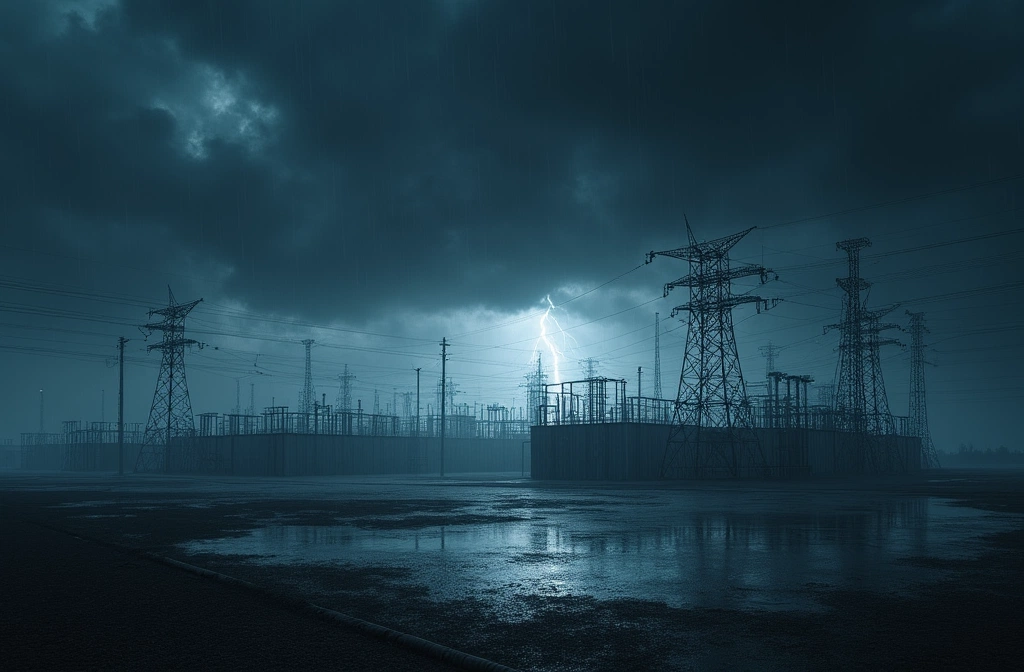
Cuba's electrical grid suffered its sixth nationwide blackout of 2026, according to CNN reporting. During restoration efforts, thunderstorms disrupted the grid and affected generating units that were online, according to a statement from Unión Eléctrica, Cuba's grid operator.
The outage occurred against a backdrop of sustained US oil blockade policies, which CNN reports Cuba relies on to power its aging electrical infrastructure. The speed at which weather disrupted restoration—less than one day after blackout onset—suggests the grid's current operational margin is thin.
Why this matters: Repeated, cascading blackouts in a single year indicate systemic degradation, not isolated failures. A grid that cannot sustain restoration without weather-triggered setbacks faces compounding vulnerability. Each outage stresses generating equipment further and erodes recovery capacity.
For preparedness analysts, Cuba's situation offers a case study in how multiple stressors—aging infrastructure, resource constraints, external blockade, and weather variability—interact to produce recurring system collapse. The six-blackout pattern in one year is not random noise; it reflects an infrastructure operating below safe operational thresholds.
What to watch: Monitor whether Cuba's grid experiences accelerating outage frequency, whether restoration windows continue to narrow, and whether severe weather becomes a consistent trigger for cascade failures. If the pattern continues through hurricane season, grid stress may intensify sharply.
