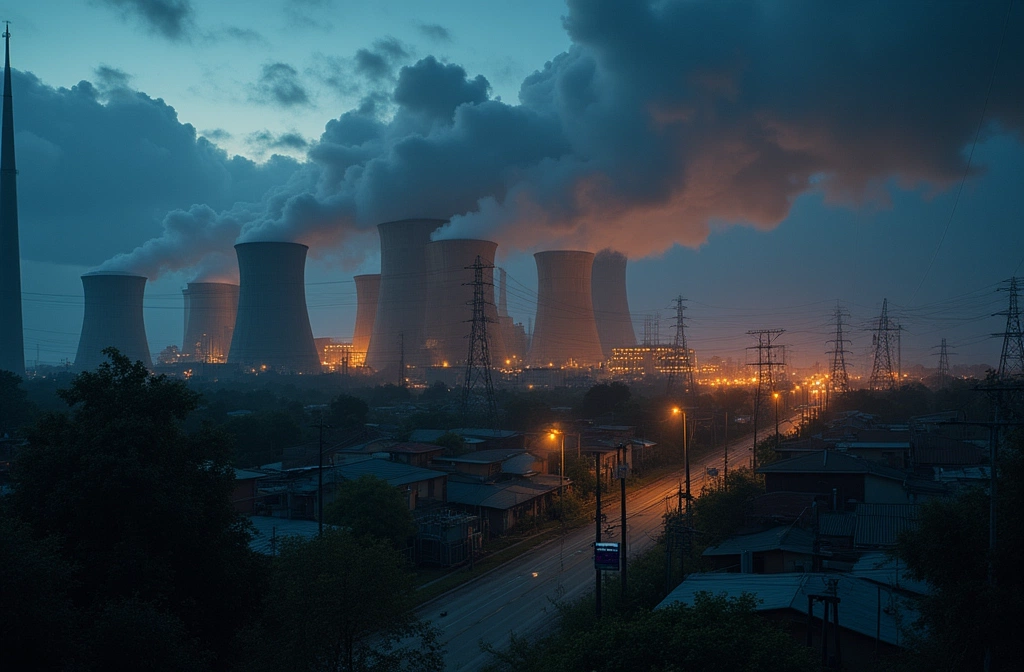
According to The Caribbean Camera, Cuba's electrical grid experienced its third nationwide collapse in less than 10 days, leaving millions without power during peak summer demand. The same source reports this is the fifth recorded nationwide blackout within a broader timeframe, indicating a systemic pattern rather than isolated failure.
The Caribbean Camera attributes the cascading outages to Cuba's aging power network—a critical detail for infrastructure analysts. Repeated grid collapses in rapid succession typically signal one of three failure modes: (1) insufficient generation capacity under peak load, (2) transmission bottlenecks exacerbated by deferred maintenance, or (3) control system vulnerabilities that cascade into wider failures when individual plants or substations go offline.
Why this matters: Grid collapses in island economies are high-consequence events. Unlike continental grids with multiple interconnections, Caribbean power systems have limited redundancy. When generation fails, load-shedding cascades quickly. Extended outages in summer heat stress water systems, medical facilities, and food preservation—creating secondary humanitarian pressure. The frequency (three in ten days) suggests the grid is operating near or beyond safe margins.
The aging infrastructure detail is the critical signal. Deferred maintenance doesn't typically cause sudden cluster failures; it creates conditions where normal stress triggers cascading outages. This pattern—multiple failures in short windows—often precedes either stabilization (if repairs address root causes) or continued deterioration.
For preparedness readers in similar climates or grid-dependent regions: Cuba's crisis is a live case study in how infrastructure decay translates into public impact. The speed of the escalation (three events in ten days) is worth monitoring for trajectory. If outages continue clustering or lengthening, it may indicate the grid has crossed a stability threshold.
