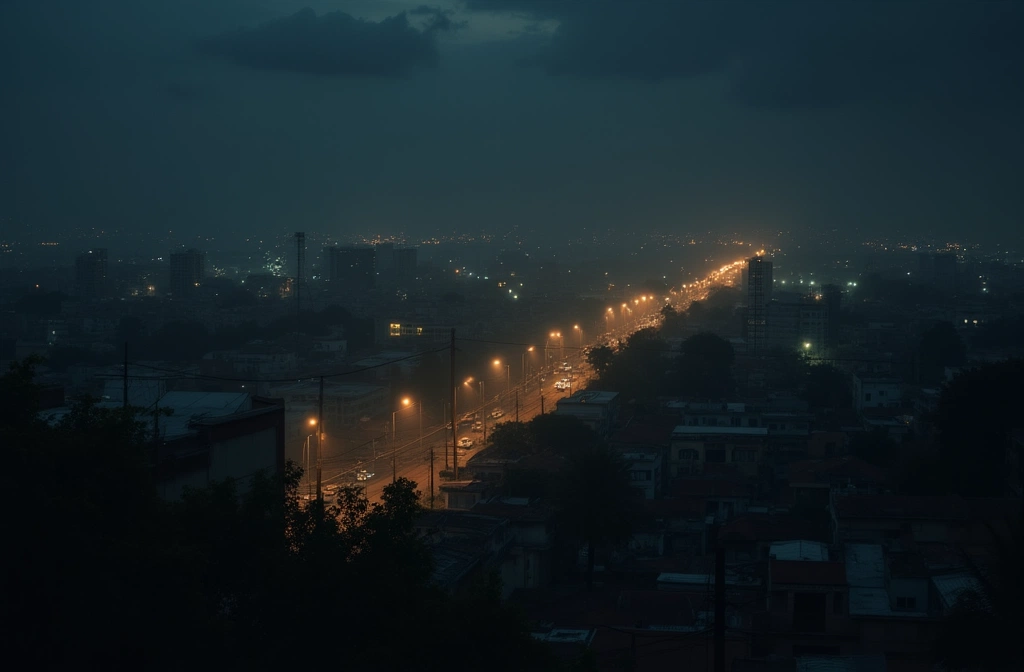
According to Newsmax.com, Cuba's national power grid collapsed on Tuesday, marking the third major blackout on the island within a nine-day window. State media confirmed the event, though the source does not specify the cause, duration, or scope of the outage.
This pattern matters because grid infrastructure typically fails in one of two modes: sudden, discrete failures (single points of failure, weather events, cyberattacks) or cascading collapse (systemic degradation, fuel shortages, equipment exhaustion). Three failures in nine days suggests the latter—infrastructure under sustained stress.
The available signal is limited to the fact of the collapse itself. Newsmax.com does not provide details on power generation capacity, fuel availability, repair timelines, or restoration speed. Without those specifics, the underlying driver remains unclear.
What this could indicate: repeated grid failures may reflect chronic fuel supply constraints, aging generation equipment approaching failure points, transmission infrastructure degradation, or demand-supply mismatch during a particular operational window. Each scenario carries different preparedness implications.
For critical infrastructure observers, the escalation rate is the actionable signal. Single blackouts are normal. Three in nine days is not. If this pattern continues or spreads to neighboring island grids in the Caribbean, it could signal either localized systemic failure or a broader regional supply disruption affecting fuel, parts, or technical capacity for grid operations.
For readers in grid-dependent regions: this is a reminder that infrastructure resilience decays gradually until it fails acutely. Cascading failures often accelerate once they begin. The preparedness window for localized disruption (backup power, water storage, communications redundancy) remains open—but it narrows faster when failures compound.
