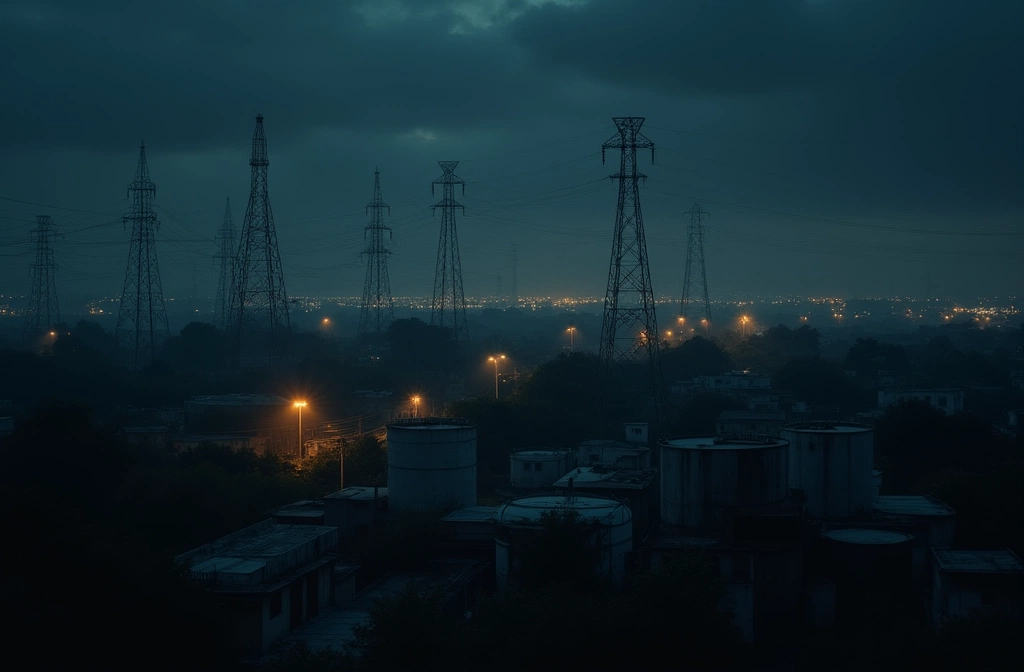
According to FMT, Cuba's Energy Minister Vicente de la O stated on state-run media that the country has "absolutely no fuel (oil) and absolutely no diesel." The announcement came as Havana entered severe rolling blackouts—characterized as the worst in decades—amid a US blockade that FMT reports has "strangled the island of fuel."
This is a textbook infrastructure failure. When fuel reserves hit zero, grid operators lose the single largest tool for stabilizing load: dispatchable generation. Diesel and fuel oil plants provide the flexibility that renewables and baseload sources cannot—they start on demand, ramp up or down, and maintain frequency during demand spikes or supply disruptions.
Without that margin, what happens next is predictable: rolling blackouts cascade across sectors. Water treatment requires power. Hospitals require backup fuel for generators. Food cold chains fail. Communications infrastructure degrades without consistent power. The grid doesn't fail gradually in a controlled way; it fails in segments, and each segment failure increases stress on the remaining network.
For preparedness analysis, this matters because it demonstrates a critical vulnerability in island and isolated grid architectures: fuel import dependency. Cuba cannot manufacture or synthesize diesel domestically at scale. When external supply chains stop, the grid stops. No buffer. No workaround.
The FMT report does not specify when reserves became depleted, how long blackouts are expected to last, or whether fuel shipments are pending. Those gaps matter for understanding whether this is a acute crisis (days of disruption) or chronic (weeks or longer).
What to monitor: announcements from regional energy bodies, reports of hospital and water system failures in Havana, and any signals of fuel deliveries entering Cuban ports. Each of these will indicate whether grid stability is recovering or degrading further. For readers in regions dependent on imported fuel for grid stability, this is a live case study in how fast that dependency becomes a liability.
