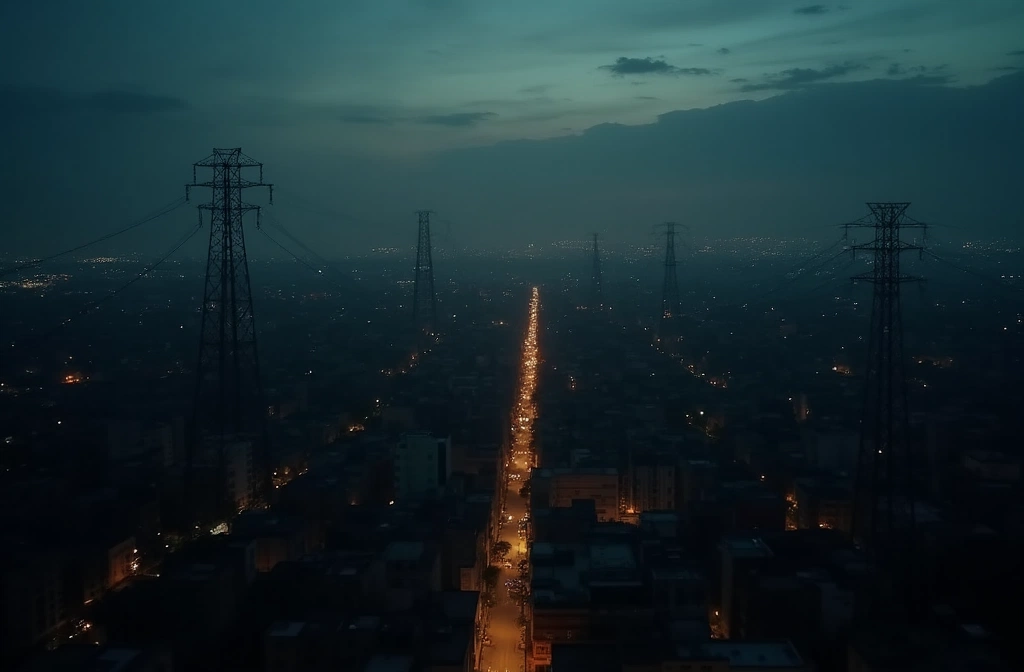
Cuba's power grid failed again on August 4, 2026, according to reporting by The Manila Times. This marks the second significant outage in 24 hours: the western portion of the country lost power in the prior incident, and now a nationwide blackout has followed. The source notes this represents part of a broader pattern of grid failures affecting the island.
Why this matters: Island economies depend on grid stability more acutely than continental systems. Unlike networked mainland grids that can reroute power from adjacent regions, Cuba's isolated infrastructure has fewer redundancy options. Repeated failures in rapid succession suggest either cascading component failures, fuel supply constraints, or generation capacity shortfalls—or a combination of these.
For preparedness context, this pattern is significant. Single outages can be weather-related or maintenance-driven. But two major events in 24 hours may indicate systemic stress: aging generation assets, inadequate fuel reserves, aging transmission infrastructure, or demand exceeding supply capacity. The Manila Times characterizes these outages as making "normal life almost impossible," suggesting duration and scope beyond routine service interruptions.
What to watch: Monitor whether Cuban authorities issue public statements on root cause, estimated restoration timelines, or fuel/generation status. If outages continue or expand in duration, it could indicate a cascading failure pattern rather than isolated incidents. Pay attention to reports of secondary effects—water system failures, telecommunications disruption, fuel pump shutdowns—which often follow extended grid loss on islands with limited backup infrastructure.
This case illustrates why grid redundancy, fuel diversity, and localized generation matter. Cuba's situation is specific to island geography and political constraints, but the underlying mechanics—cascade failures, limited alternatives, critical system dependencies—apply to any grid under stress.
