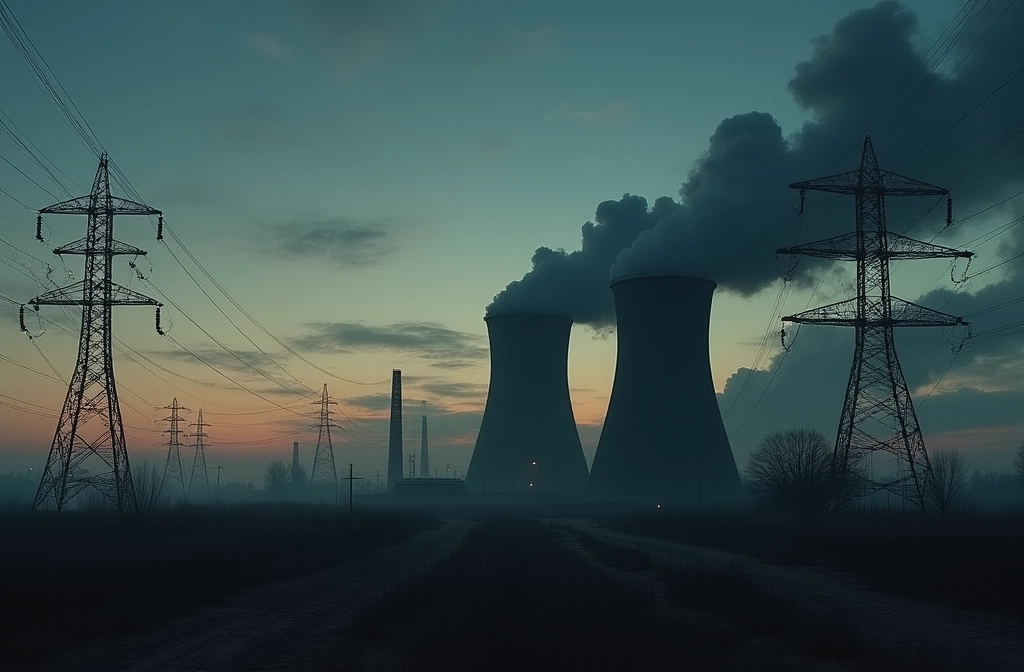
Cuba's power grid collapsed Friday afternoon, marking the fourth nationwide blackout in under six months and the ninth since late 2024, according to The Manila Times. The blackout occurred only two days after authorities had restored the system following an outage Monday—a compressed failure cycle that points to systemic deterioration rather than isolated incidents.
For infrastructure analysts, this matters. Rapid successive failures typically indicate either cascading damage to generation or transmission assets, or control systems operating at critical stress thresholds. A grid that cannot maintain stability across 48-72 hour windows is not recovering—it's degrading.
Cuban residents, per The Manila Times reporting, have openly vented frustration at the power failures, suggesting public tolerance is eroding alongside grid reliability. Extended or repeated blackouts create secondary pressures: fuel supply chains destabilize, water treatment systems fail, medical facilities run on backup power (which depletes), and communications infrastructure strains.
What to watch next: The interval between cascading failures is your leading indicator. If the next blackout occurs within days rather than weeks, it signals the grid is approaching systemic breakdown rather than recovering from discrete events. Watch for official statements on fuel availability, generation capacity status, or maintenance timelines—absence of these signals is itself a signal.
For readers in grid-dependent regions: this case study reinforces why localized backup power (even modest 48-hour capacity) and water storage matter. Cuba's situation is extreme, but the dependency chain—grid → water treatment → communications → supply logistics—is universal. Infrastructure failures abroad show you failure modes that could apply locally under different triggers.
