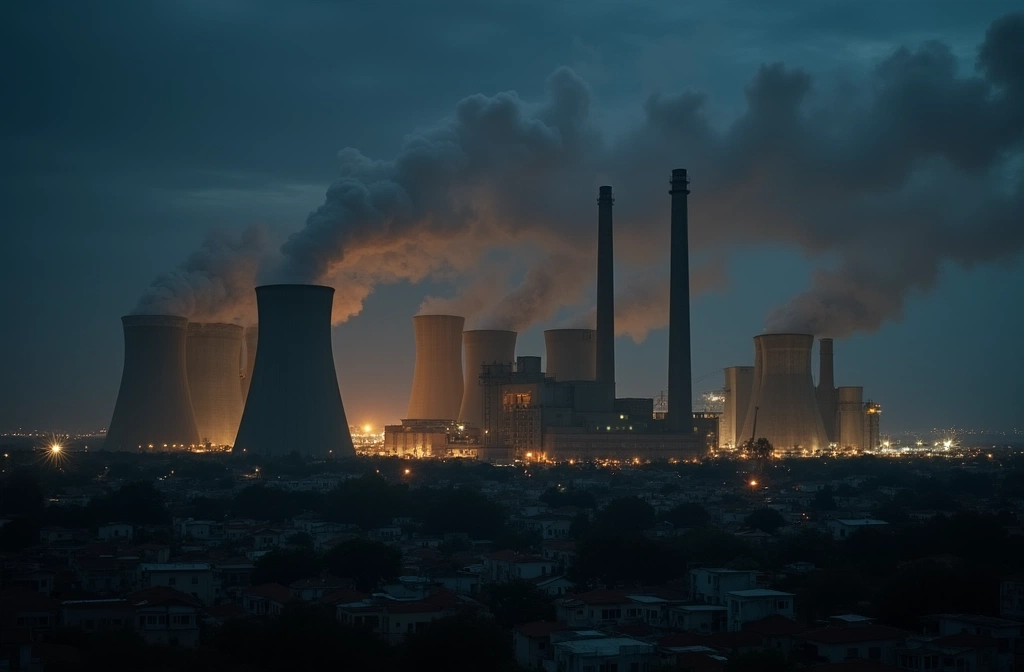
According to AP News, Cuba experienced another nationwide power outage on Tuesday, affecting the entire National Energy System (SEN). This marks the third total blackout in under two weeks—a frequency pattern that warrants attention from infrastructure analysts and preparedness practitioners.
Why this matters: Single grid outages happen everywhere. But three total blackouts compressed into a 14-day window suggests something different—either cascading component failures, insufficient redundancy, or both. When a nation's entire power grid fails repeatedly at this pace, it indicates the system has lost margin for error. Each recovery attempt stresses aging equipment further.
The Caribbean operates on fragile grid infrastructure. Cuba's isolation from North American interconnects means it cannot import power to stabilize local generation. Repeated SEN failures also cascade into water systems, fuel distribution, communications, and medical facilities—systems that depend on steady power. Hospitals, water treatment plants, and food cold chains all degrade simultaneously.
What to watch: The critical indicator is time between failures. If the interval between outages continues to compress, or if recovery time lengthens, that suggests equipment degradation is accelerating rather than stabilizing. A fourth failure within the next 7–10 days would indicate the grid is approaching critical failure thresholds.
Second signal: watch for regional spillover. Cuba sits at the intersection of Caribbean and Gulf energy infrastructure. Sustained grid instability there could stress neighboring island grids if demand for fuel imports or emergency power support spikes.
This isn't unique to Cuba—it's a live-fire test of what happens when grid redundancy erodes. Readers in areas dependent on aging or strained power infrastructure (parts of Texas, California, the Northeast) should treat this as a case study, not a distant problem. When a grid loses the capacity to absorb shocks, failures accelerate.
