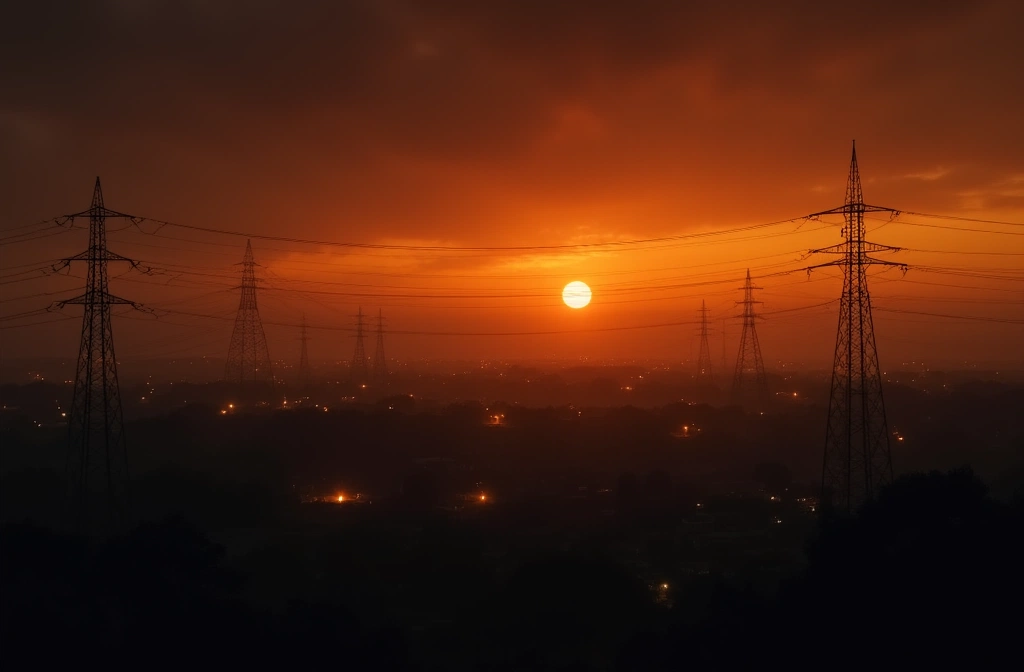
According to TeleSur English, a partial failure of Cuba's National Electric System caused widespread power outages across five western provinces following the simultaneous failure of two high-voltage transmission lines. Authorities initiated restoration efforts while prioritizing essential services.
The simultaneous failure of dual transmission lines suggests potential systemic stress rather than isolated equipment malfunction—a pattern worth monitoring in aging grid infrastructure. Cuba's electrical system operates under significant constraints: aging generation assets, limited redundancy in long-distance transmission, and vulnerability to cascade events when critical lines fail together.
For preparedness analysts, this event highlights a critical infrastructure dynamic: single-point-of-failure risk in transmission networks serving large populations. When two major lines go down simultaneously, restoration prioritization becomes a forced triage—essential services (hospitals, water treatment, communications) compete for limited available power, leaving entire regions in secondary status.
The source does not specify the cause of the simultaneous failures, timeline for full restoration, or extent of cascading impacts across the five provinces. Those details remain critical unknowns.
What matters here: infrastructure failures in one region create operational pressure on neighboring grids. If Cuba's western grid was carrying load from failed eastern capacity, or if regional demand spiked during restoration attempts, the cascade profile changes. The fact that authorities began "prioritizing essential services" indicates the outage was substantial enough to require active load management—not a routine maintenance event.
For readers in similar climates or regions with aging transmission infrastructure, this is a data point. Grid failures rarely stay isolated. Watch for: (1) official statements on restoration timelines and cause, (2) whether secondary failures occurred in other regions as load shifted, and (3) whether this prompts infrastructure investment or upgrade announcements from Cuban authorities. Repeated simultaneous failures in the same system suggest deferred maintenance or design vulnerability—both indicators of future risk.
