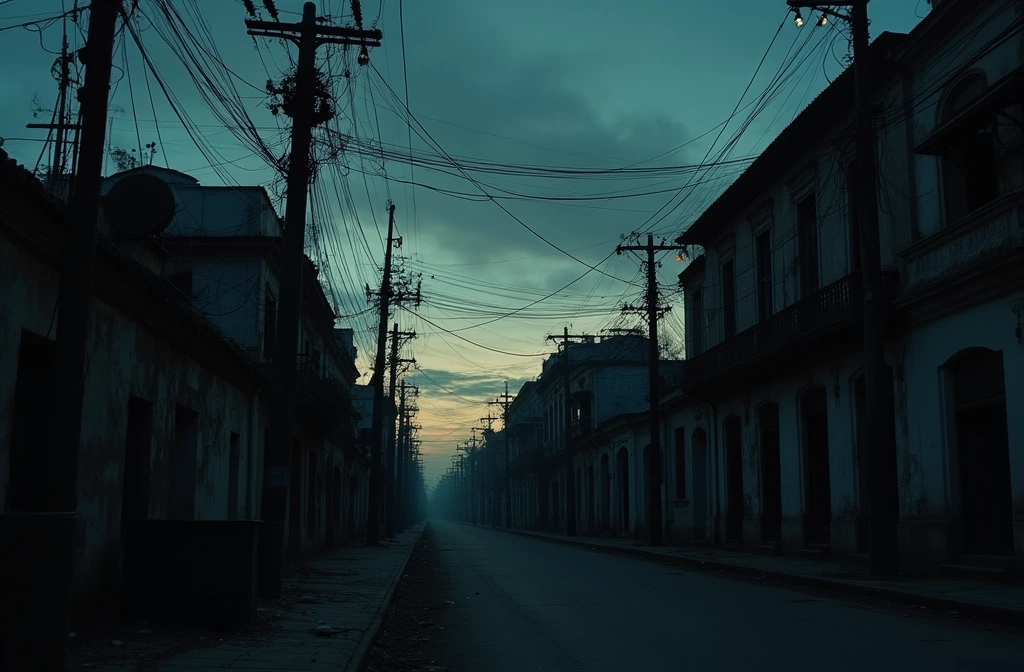
According to reporting from Chosun, Cuba is enduring repeated blackouts driven by fuel shortages and aging power infrastructure. The combination of these two factors—constrained fuel supply and deteriorating grid assets—suggests a grid operating without adequate redundancy or maintenance reserves.
Why this matters: Cuba's grid collapse is a functional case study in how infrastructure systems fail under compounding stressors. Fuel supply interruption + aging generation and transmission assets = cascading outages affecting millions. This isn't a natural disaster or sudden attack; it's the result of sustained resource depletion meeting deferred maintenance. Most developed grids carry similar vulnerabilities: aging coal and natural gas plants, limited storage capacity, and dependency on fuel delivery chains.
The Chosun reporting identifies two critical failure vectors operating simultaneously—fuel availability and physical asset decay. When both are present, grid operators lose flexibility. They cannot run generation assets harder to compensate for outages, and they cannot perform maintenance on degraded transmission lines without further reducing capacity.
What to watch: Signals of widening outages (duration, geographic spread, industrial impact), statements from Cuban authorities on fuel reserves or grid repair timelines, and whether blackouts begin affecting water treatment, hospitals, or communications infrastructure. Secondary effects—food spoilage, medical supply shortages, population displacement—often define the actual impact threshold.
For preparedness context: This demonstrates how grids fail not catastrophically but progressively. Repeated blackouts are a warning symptom, not the endpoint. They indicate a system operating at or beyond its sustainable capacity. Readers in regions dependent on aging thermal generation or vulnerable supply chains should assess their personal resilience to extended outages (water storage, medical supplies, communications independence) rather than assume grid stability will hold indefinitely.
