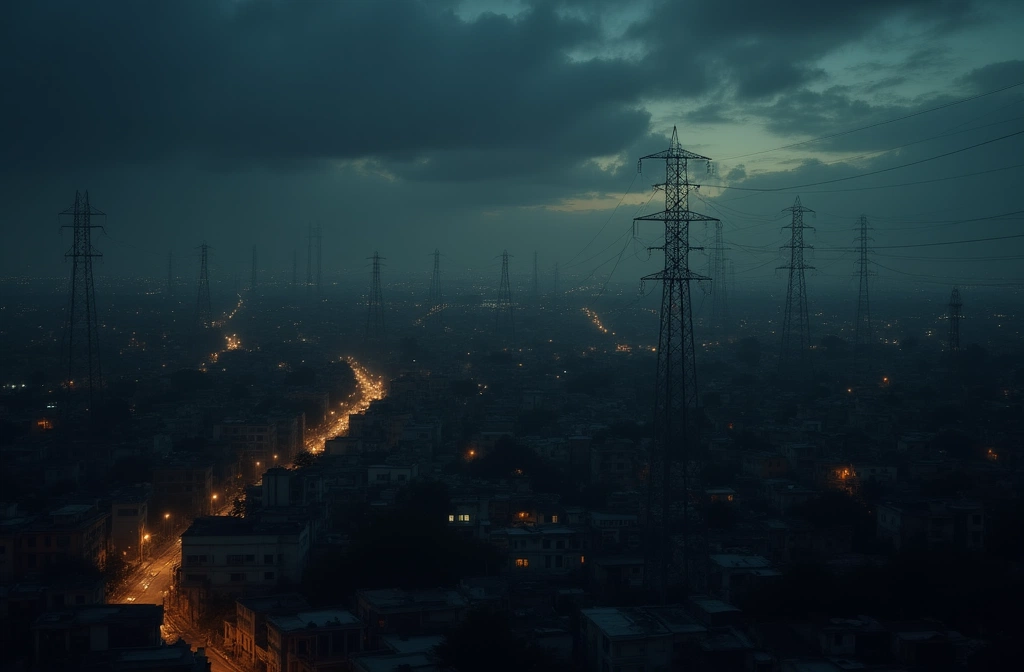
According to Xinhua, Cuba experienced its third nationwide power grid collapse in less than two weeks as of July 15, 2026. The Cuban government stated the blackout occurred amid what it describes as economic and energy pressure from the United States.
This pattern matters because repeated grid failures in a short window signal either cascading system degradation or critical dependencies on fuel/spare parts that sanctions may be disrupting. Cuba's grid has faced documented strain for years, but three failures in 14 days suggests either accelerating failure rates or a triggering event—possibly fuel supply constraints or inability to source replacement equipment.
The geopolitical dimension is real: Xinhua's reporting reflects Cuban government attribution of the outages to U.S. sanctions. However, the source does not provide technical details on root causes—whether failures stem from fuel shortages, equipment failure, demand surge, or generation loss. That distinction matters for assessing whether this is a sanctions-driven energy crisis or an infrastructure collapse that may coincide with sanctions but have independent technical drivers.
For preparedness readers, the significance lies in what this reveals about grid resilience under pressure. A critical grid can fail not just from single catastrophic events (solar storms, cyberattacks, physical damage) but from sustained resource constraints that degrade maintenance, spare capacity, and redundancy. Cuba's repeated failures in a compressed timeline suggest a system operating closer to margin than most assume—a dynamic that applies to grids globally when fuel, parts, or foreign exchange becomes restricted.
What to watch: Whether Cuba reports stabilization over the next weeks (suggesting temporary fuel/import bottleneck) or continued failures (indicating structural degradation). Secondary indicator: whether other Latin American grids begin reporting stress, which could signal broader regional energy supply disruption independent of Cuba-specific politics.
