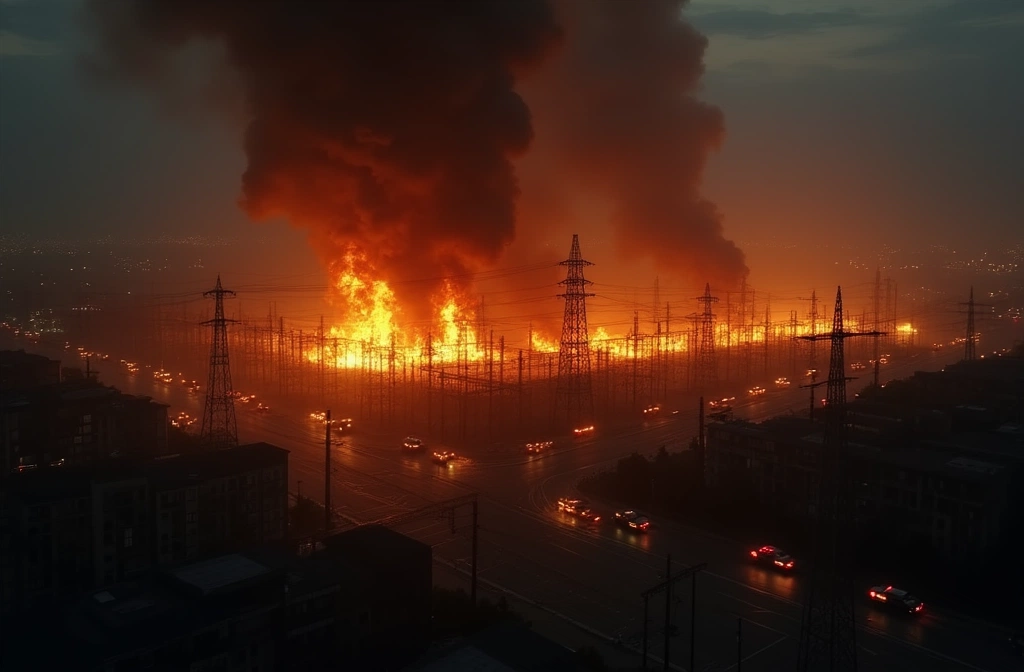
On June 17, 2026, an electrical substation fire in Caibarién disrupted power delivery to 15 local districts in Cuba. The same day, Santa Clara—Villa Clara's capital—experienced an electrical overload following a blackout that triggered explosions and damaged 14 homes, with at least one minor burn injury reported. Both incidents occurred within hours of each other in the same region.
These are not isolated faults. According to the Electric Union, Cuba's power generation system faces daily shortfalls ranging from 1,630 to over 2,000 MW. That chronic gap between supply and demand creates the exact conditions for cascading failures: overloads spike when power is restored after blackouts, transformers run hot under sustained stress, and aging infrastructure reaches breaking points simultaneously across multiple locations.
The timing and geography matter. Two major incidents in one region on the same day suggests the grid is operating with minimal margin for error. When generation can't meet demand by 1,600+ MW, every distribution node becomes vulnerable. A localized failure (like a substation fire) can trigger load redistribution that overloads neighboring sections, exactly as appeared to happen in Santa Clara.
For preparedness purposes, this pattern signals systemic fragility rather than random equipment failure. The Electric Union itself has acknowledged the root problem—generation shortfall—and warned that without resolution, similar incidents are likely to recur. That's a direct statement of escalating risk from the utility managing the system.
What to watch: Monitor whether outages cluster geographically or temporally over the next 30 days. If multiple districts experience simultaneous or cascading blackouts with fire or explosion damage, that confirms the grid is degrading toward failure mode rather than recovering. Watch also for any public statements from Cuba's electrical authority about emergency load-shedding, rolling blackouts by district, or appeals for fuel imports—all indicators that the generation gap is widening rather than closing.
