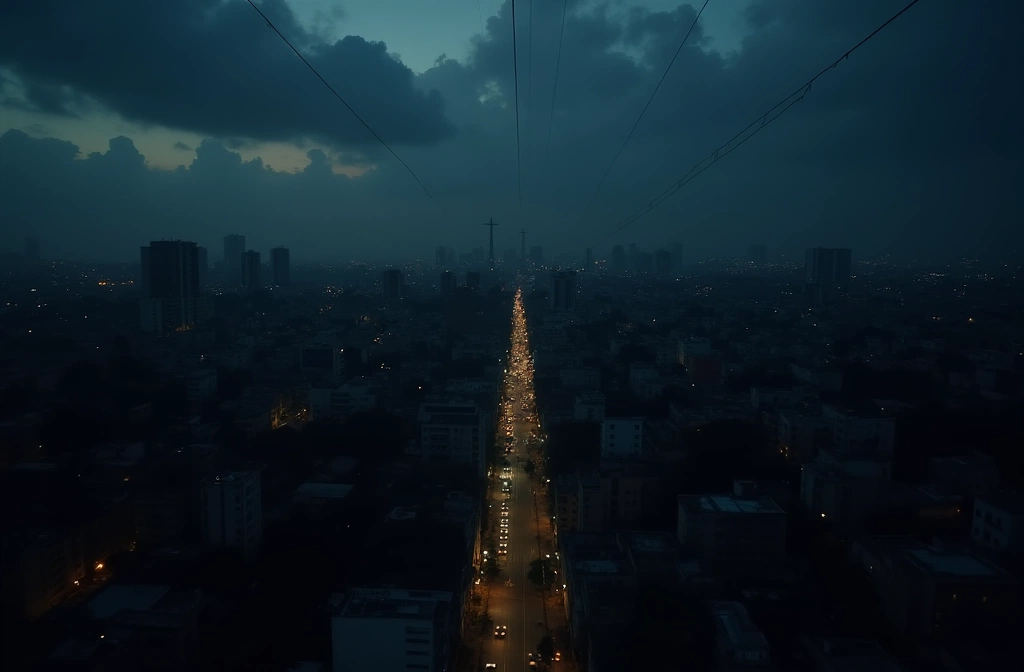
On August 8, 2026, Cuban writer and UNEAC member Borroto Trujillo publicly documented a week-long power outage affecting her home, meticulously tracking the duration: "7 days. 172 hours - 10,320 minutes. 619,200 seconds without electricity," according to Cuba Headlines. Trujillo, who holds a doctorate in Communication Sciences, used the documentation to illustrate the operational reality of sustained grid failure in urban settings.
For preparedness analysts, this event matters for three reasons:
First, it provides real-world data on how households and critical services function under extended blackout conditions. A week without grid power forces cascading failures: refrigeration loss, water pump failure, medical device battery depletion, and communication system collapse. Urban populations typically have minimal buffer capacity compared to rural or distributed systems.
Second, island grids are inherently fragile. Cuba's power infrastructure operates with limited interconnection to external grids and constrained fuel supply chains. Extended outages there may reflect vulnerabilities that could surface in other island nations, coastal regions dependent on single transmission corridors, or systems with aging generation capacity.
Third, the public documentation by a credentialed academic suggests this was not a brief, localized event but a sustained grid-scale incident significant enough to warrant detailed witness testimony.
What to watch: Monitor reports on restoration timeline, affected infrastructure systems (water treatment, hospitals, communications), and whether similar outages recur. Repeated multi-day blackouts in the same region indicate systemic capacity problems rather than single-point failures. Track any international grid support requests or fuel logistics issues that may explain root cause.
