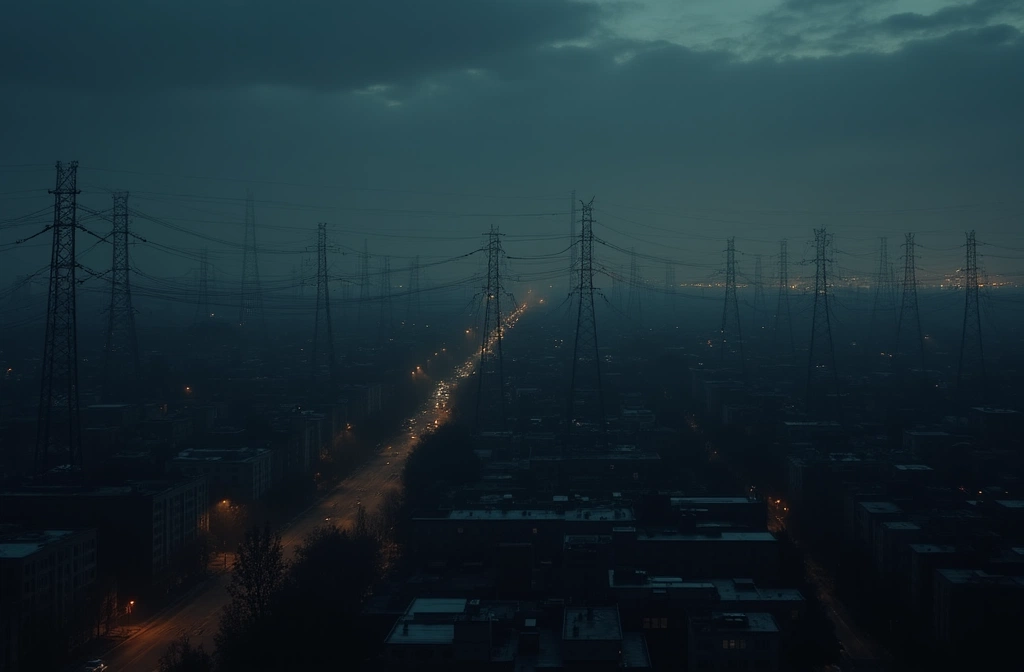
According to Cuba Headlines, the National Electroenergetic System (SEN) suffered a total collapse on Friday at 4:30 PM, marking the fourth nationwide blackout Cuba has experienced in 2026. The Electric Union confirmed the shutdown, though the source does not specify the root cause of this particular failure or the underlying infrastructure constraints driving the pattern.
What matters: Four complete grid failures within a single year is not routine. Each collapse disrupts water treatment, fuel distribution, communications, medical services, and food supply chains. Island nations with limited generation capacity and aging infrastructure face compounding risk—each blackout stresses remaining generation assets further, potentially reducing mean time between failures.
The frequency itself is the signal. Whether the cause is fuel supply constraints, aging thermal generation units, maintenance backlogs, or demand-supply mismatch, the pattern suggests the system is operating at or near its breaking point. Cuba Headlines does not attribute these failures to a specific underlying cause, so cause-and-effect analysis would be speculation.
What to watch: Monitor whether the intervals between blackouts narrow further, whether any repair or capacity announcements emerge from Cuban officials, and whether neighboring Caribbean infrastructure shows similar stress patterns. Watch also for secondary effects—water system failures, medical supply chain disruptions, or fuel logistics issues that typically cascade from extended outages.
For preparedness purposes, this underscores a core principle: grid-dependent systems (municipal water, fuel pumps, communications) can fail suddenly and completely, without warning. Regional blackouts in developed nations are brief. Island grids operating near capacity can experience hours or days without restoration. Understanding your household's real dependencies on external power—and testing non-electric alternatives—remains the practical baseline.
