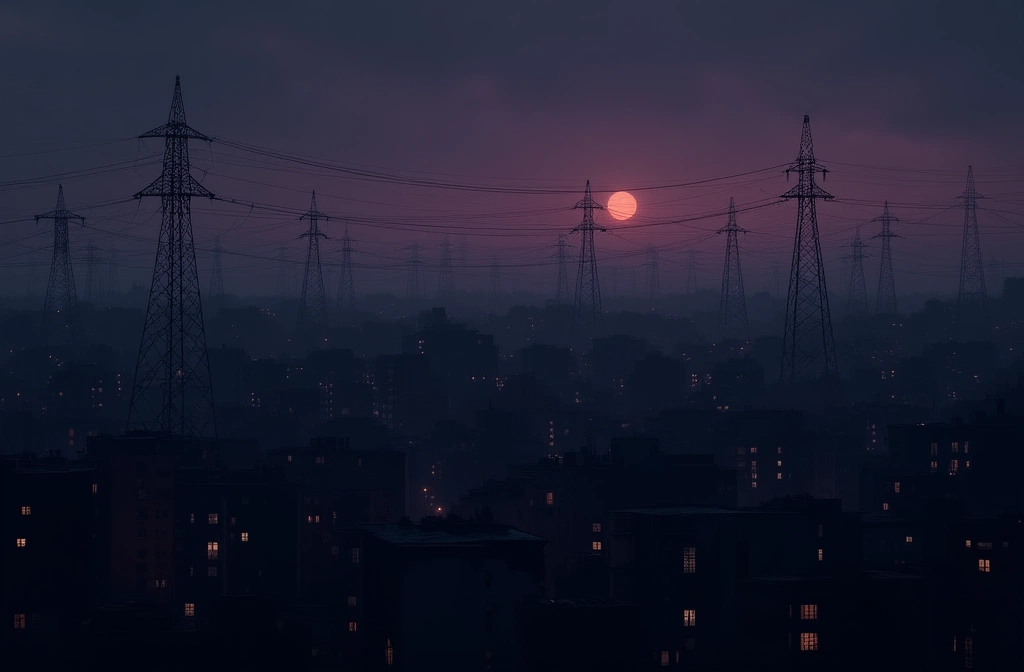
Cuba's national electric system suffered a "total collapse" on Friday at 4:30 p.m. local time, according to a statement from UNE, the grid operator, posted on X. This marks the second nationwide blackout in fewer than seven days—a frequency pattern that suggests either cascading infrastructure failures or systemic vulnerabilities in grid stability and recovery protocols.
The source statement from UNE provides no explanation for either outage, which limits clarity on whether these are mechanical failures, operational errors, fuel-supply disruptions, or transmission system breakdowns. That opacity itself is a data point: when a grid operator cannot or will not publicly identify causes of repeated total collapses, it often indicates either infrastructure complexity beyond rapid diagnosis or operational constraints that prevent transparent communication.
For preparedness analysis, this matters because repeated grid failures in a single week suggest that recovery and restoration systems are either overwhelmed, degraded, or absent. A functional grid typically experiences localized outages, not system-wide collapses. Two total disconnections in seven days indicates either:
- Critical single points of failure in generation, transmission, or control systems
- Fuel or resource scarcity limiting generation capacity
- Cascading failures in automated grid protection systems
Historically, repeated grid collapses within short timeframes have preceded extended outages lasting days or weeks. Venezuela's 2019 nationwide blackout cascaded across multiple days before stabilizing. The pattern here—frequency, not duration (yet)—mirrors early indicators of grid stress that can precede longer outages.
What to watch: If a third total disconnection occurs within the next 14 days, or if reported outage duration extends beyond hours, this signals escalating system failure rather than isolated incidents. Extended blackouts in island nations create compounding infrastructure stress: fuel supply disruption, water treatment failure, and medical system strain. Readers in Caribbean regions dependent on similar aging grid infrastructure should review backup power capacity and water storage now, before pattern acceleration becomes undeniable.
