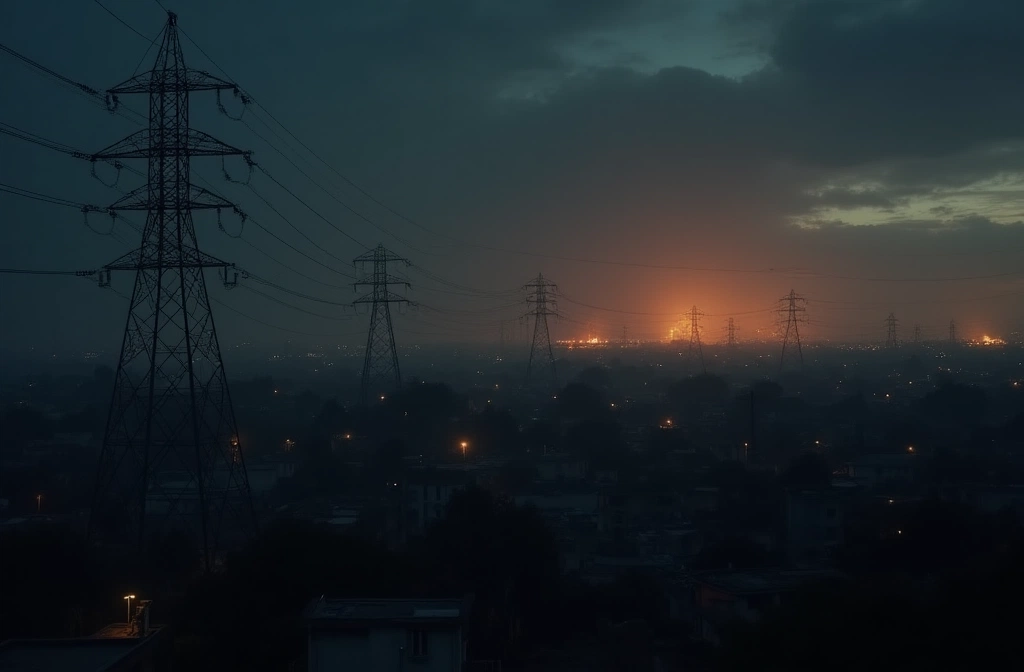
Cuba's electrical infrastructure is showing a pattern of repeated, cascading failures that merit close attention from infrastructure analysts and preparedness planners.
According to Cuba Headlines, the blackout on Tuesday was the fifth complete failure of the SEN in 2026. More significantly, it represents the third total outage in less than ten days—with prior blackouts occurring on July 6 and July 10. The Electric Union (UNE) attributed the immediate cause to an unexpected shutdown of Unit 1 at the Felton thermoelectric plant in Holguín, which triggered frequency oscillation that cascaded through the grid.
Why this matters: Short-cycle repeat failures of this magnitude suggest either deteriorating physical infrastructure, insufficient redundancy in generation capacity, or both. A single plant unit failure cascading to total grid collapse indicates the system is operating with minimal margin for error. This is a systemic risk indicator, not an isolated incident.
The 10-day repeat cycle is the key signal here. When critical infrastructure experiences multiple total failures within that timeframe, it suggests the root cause has not been addressed between events—the system is returning to the same vulnerable state. This may indicate deferred maintenance, aging generation assets reaching critical failure thresholds, or insufficient capacity to absorb single-point failures.
What to watch: Monitor whether outage frequency accelerates or durations lengthen. Track whether UNE provides transparency on repair timelines and root-cause remediation. Observable expansion of blackout radius (from regional to national) or reports of cascading failures in dependent systems (water treatment, fuel distribution, communications) would signal systemic degradation.
For preparedness planning: This case study illustrates how thermal generation plants can become single points of failure in grids with limited redundancy. Infrastructure-dependent readers should assess their own regional grid's generation diversity and interconnection depth—not as prediction of imminent failure, but as a framework for realistic contingency planning.
