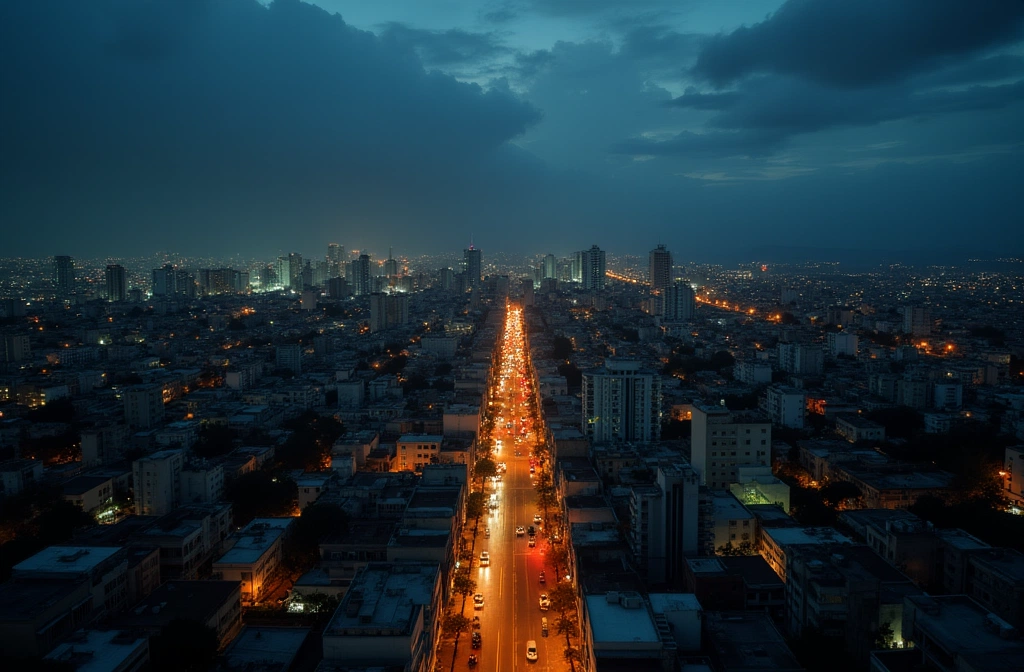
According to Cuba Headlines, the Cuban Electric Union (UNE) announced on Sunday morning that the National Electric System (SEN) had been fully reconnected by 6:30 a.m. after a countrywide blackout. The report does not specify the cause, duration of the outage, or whether cascading failures occurred in water, communications, or medical systems during the blackout window.
What matters here is the fact of total grid loss in a developed island nation, regardless of cause. Cuba's power infrastructure relies on aging thermal generation capacity with limited spare generation and interconnection. A complete system collapse—even if brief—reveals how quickly a grid without robust redundancy, sectionalizing capability, or distributed generation can cascade from a single point failure to total loss.
The speed of restoration (if the UNE timeline is accurate) may suggest either (a) the outage was localized to startup/control systems rather than widespread damage, or (b) operational discipline in grid restart procedures. But the absence of root cause in the source material prevents definitive assessment.
For preparedness-aware readers in grid-dependent regions, this event illustrates a critical pattern: even island grids serving stable, organized nations can experience total blackouts. Cuba is not a failed state; it operates as a centralized, planned economy with significant state control of infrastructure. Yet it still experienced complete power loss.
The implication is not catastrophism—it's clarity: if your personal, business, or family continuity depends on grid power, assume total loss is possible in your region, not merely prolonged outages. Single points of failure exist everywhere.
Watch for: whether Cuba releases a technical root cause analysis (suggesting transparency) or remains silent (suggesting either classified cause or systemic reluctance). Transparency often correlates with genuine infrastructure improvement; silence does not.
