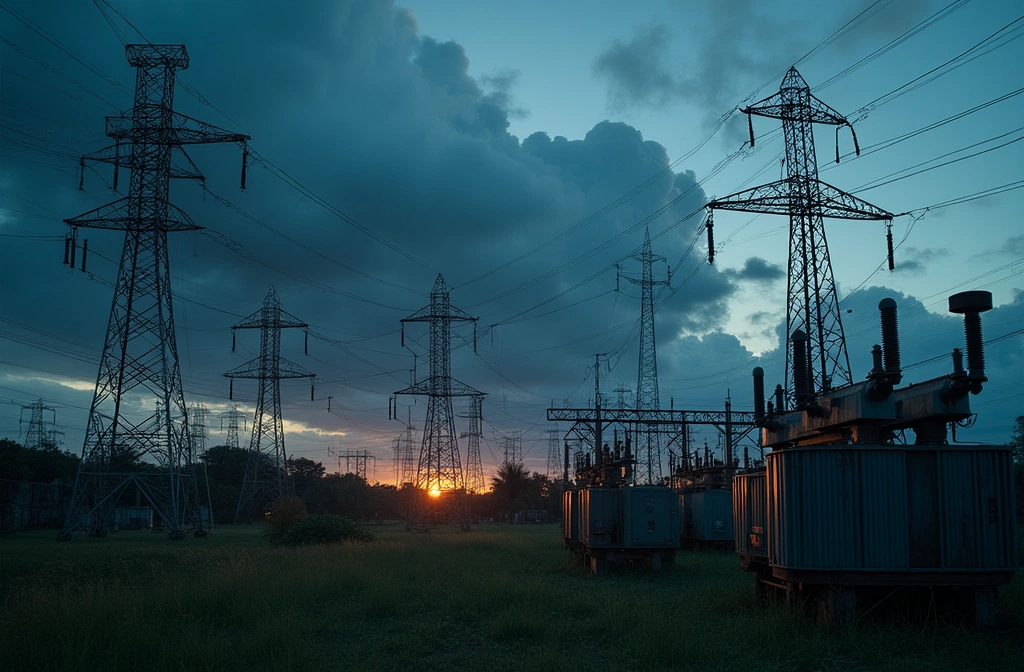
According to Cuba Headlines, Cuba's National Electroenergetic System suffered a complete disconnection triggered by a malfunction at Unit No. 6 of the Nuevitas thermoelectric plant in Camagüey. While grid operators have since reconnected the system, the underlying crisis persists: a shortfall exceeding 2,000 megawatts of generation capacity.
The human impact is stark. Parts of Matanzas province are experiencing blackouts lasting 87 consecutive hours. In Havana, the pattern is nearly as severe—residents average 15 hours per day without power.
For infrastructure analysts, this event illustrates a critical vulnerability: single-point failures in aging generation capacity can cascade into system-wide disconnections. The Nuevitas plant malfunction alone was sufficient to sever the entire island's grid. Once reconnected, the system lacks the reserve margin to meet demand, forcing rolling blackouts as a load-management tool rather than an emergency measure.
Cuba's energy infrastructure has faced mounting pressure from aging thermal plants, fuel supply constraints, and limited diversification. This incident does not appear to be a communications or cyber event—it stems from mechanical failure in physical generation assets. However, it demonstrates how dependent modern economies are on continuous baseload power, and what happens when that foundation fractures.
What to watch: Monitor whether Cuba can restore Unit No. 6 to service and whether additional generation capacity comes online. Sustained blackouts of this magnitude typically trigger secondary failures—water treatment disruptions, fuel pump shutdowns, cold-chain losses. The duration and scope of the current outages will signal whether Cuba's grid has stabilized or is entering a prolonged degradation phase. For preparedness purposes, this is a real-world case study in how infrastructure systems fail not from single catastrophic events, but from the collision of aging assets, thin margins, and deferred maintenance.
