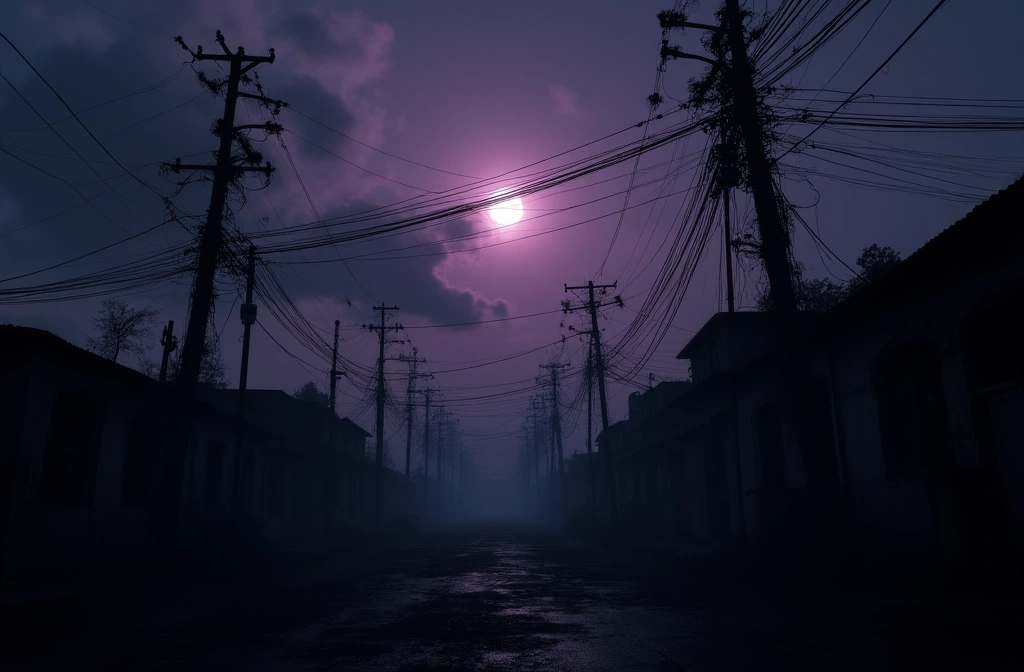
According to ZeroHedge, Cuba has plunged into a second island-wide blackout, marking a repeat of total grid failure. The outlet characterizes this as a case study in how infrastructure systems can fail repeatedly, leaving economic damage, institutional decay, and civilian hardship in their wake.
What makes this signal worth tracking: island nations and isolated grids have limited redundancy and import capacity. When primary generation fails, there are few alternatives. Cuba's situation suggests that aging infrastructure combined with resource constraints and limited maintenance capacity can create conditions for cascading blackouts—where the grid struggles to restore itself even after power is restored, because ancillary systems (water treatment, fuel distribution, communications) have degraded during the outage.
The pattern of repeated failure is the operative detail here. One blackout is a crisis event. Two blackouts of the same type suggests the underlying cause—generation capacity, fuel supply, transmission resilience, or grid management—has not been addressed. This indicates the system may lack either the resources or the structural capacity to prevent recurrence.
For mainland readers, Cuba's situation is not directly transferable; the U.S. grid is far more distributed and resilient. However, it does illustrate a real-world principle: large, isolated systems with aging infrastructure and constrained maintenance budgets are vulnerable to extended outages. Regional grids that depend heavily on a small number of generation sources or face fuel scarcity show similar risk profiles.
What to watch: whether Cuba experiences a third blackout in the coming weeks or months. Repeated failures at accelerating intervals would suggest the grid is moving toward structural instability rather than random failures. Additionally, monitor reports on civilian impact—water access, fuel distribution, medical services—as these indicate how quickly secondary systems degrade when primary power is absent.
