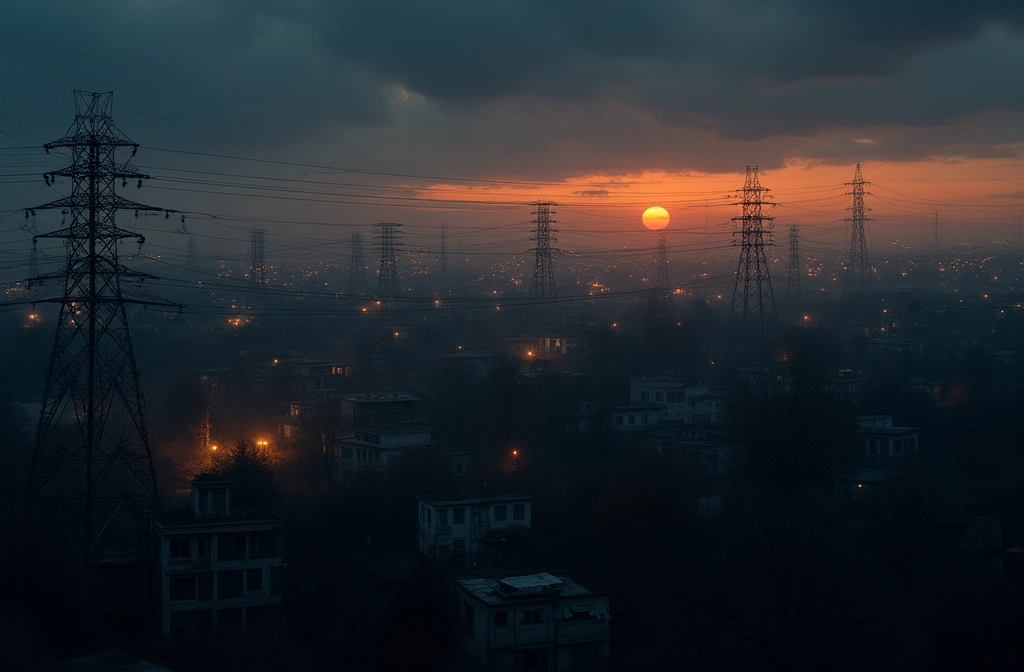
Cuba's National Energy System experienced its sixth nationwide blackout of 2026 on August 3, according to energy officials cited by Local 10 News. The collapse came after blackouts in March, three additional failures in July, and several partial outages including one reported August 1.
What makes this notable: This is not a pattern of isolated incidents—it's a pattern of acceleration. Two collapses by late March. Three more by late July. Another in early August. For a grid operator, that trajectory flags serious underlying stress.
Why this matters for infrastructure analysis: Cascading grid failures typically indicate one or more systemic vulnerabilities—fuel supply constraints, aging generation capacity, insufficient redundancy, or degraded transmission infrastructure. When a grid collapses repeatedly over short intervals, each restoration attempt stresses remaining systems further. The fact that Cuban energy officials are publicly acknowledging six total failures suggests the problem is neither localized nor temporary.
The operational risk here is compounding. Each blackout forces cold restarts of generation capacity. Each restart stresses equipment designed for normal cycling. Each failure strains the human and technical resources needed for the next restoration. Over months, this creates a deteriorating baseline—what the grid can handle becomes narrower, making it more vulnerable to triggering incidents.
What to watch: The interval between failures. If collapses continue clustering within weeks rather than months, it signals the grid is approaching a critical stability threshold. Secondary indicators include whether partial outages become more frequent (suggesting control systems struggling to manage load) and whether restoration times lengthen (suggesting damage accumulation or fuel logistics strain).
For preparedness purposes, this is a textbook example of infrastructure fragility that develops slowly but can create acute disruption for dependent populations and systems. It's also a real-world case study in how grids degrade under stress—useful reference for understanding vulnerability in any aging electrical system.
