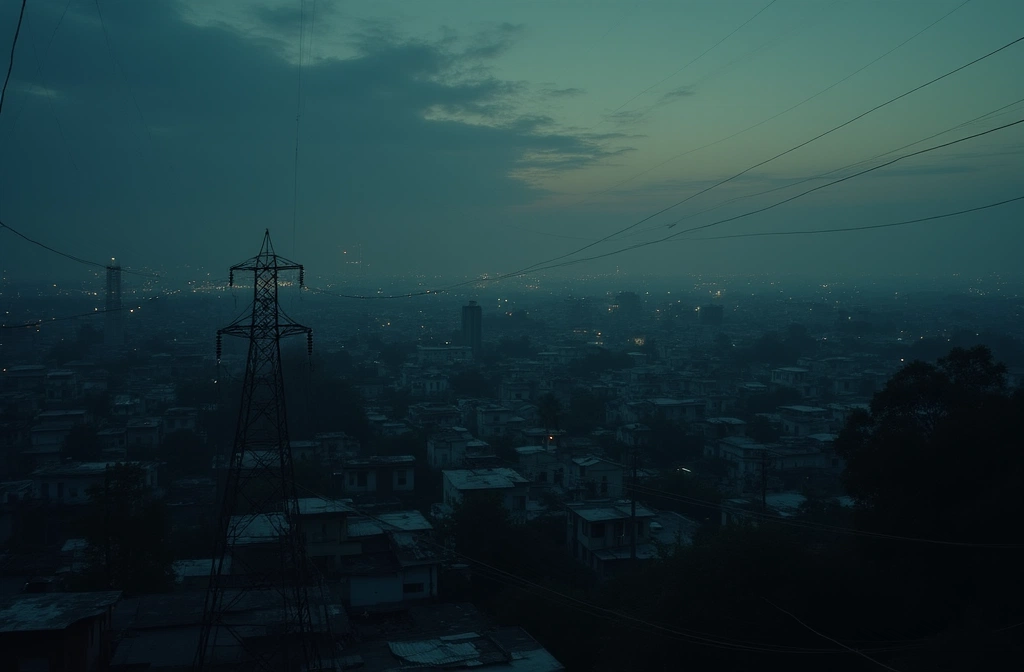
According to The CSR Journal, Cuba's national power grid collapsed on Monday, July 14, 2026, marking the third nationwide blackout in a six-month window. The outage affected approximately 10 million residents across the island nation.
This is not a single failure—it's a pattern. Three total blackouts across 26 weeks indicates a grid operating at or beyond design margins with limited redundancy or repair capacity. When cascading failures cluster like this, it reveals infrastructure that cannot absorb normal operational stress, let alone anomalies.
Why this matters: Cuba's repeated grid collapses are a real-world case study in how aging, under-resourced electrical systems degrade under pressure. The infrastructure may lack:
• Sufficient generation capacity • Spare parts for critical equipment • Maintenance resources to address underlying failures • Distributed generation to reduce single-point-of-failure risk
For preparedness analysts, Cuba's situation offers a critical observation: grid vulnerability isn't theoretical. Multiple collapses in rapid succession demonstrate that even a developed nation's power infrastructure can enter a failure cascade when system reserves are exhausted. The third failure followed within months of the second—suggesting the underlying causes remain unresolved.
Domestic preparedness relevance: While Cuba's grid operates under unique resource constraints, the principle applies everywhere. Grids operating near capacity with deferred maintenance become brittle. A single triggering event—weather, equipment failure, demand spike—can cascade into widespread outage. The speed of Cuba's repeat failures suggests minimal recovery margin between collapses.
What to monitor: Watch for pattern escalation. If Cuba experiences a fourth collapse within the next 90 days, it signals the grid has entered sustained failure mode rather than isolated incidents. That threshold matters because it indicates infrastructure recovery is not keeping pace with failure rates—a condition that can persist or worsen.
For readers assessing their own regional grid risk, Cuba's pattern is a data point: repeated outages in short timeframes indicate systemic stress, not random events. That distinction changes the preparedness calculation.
