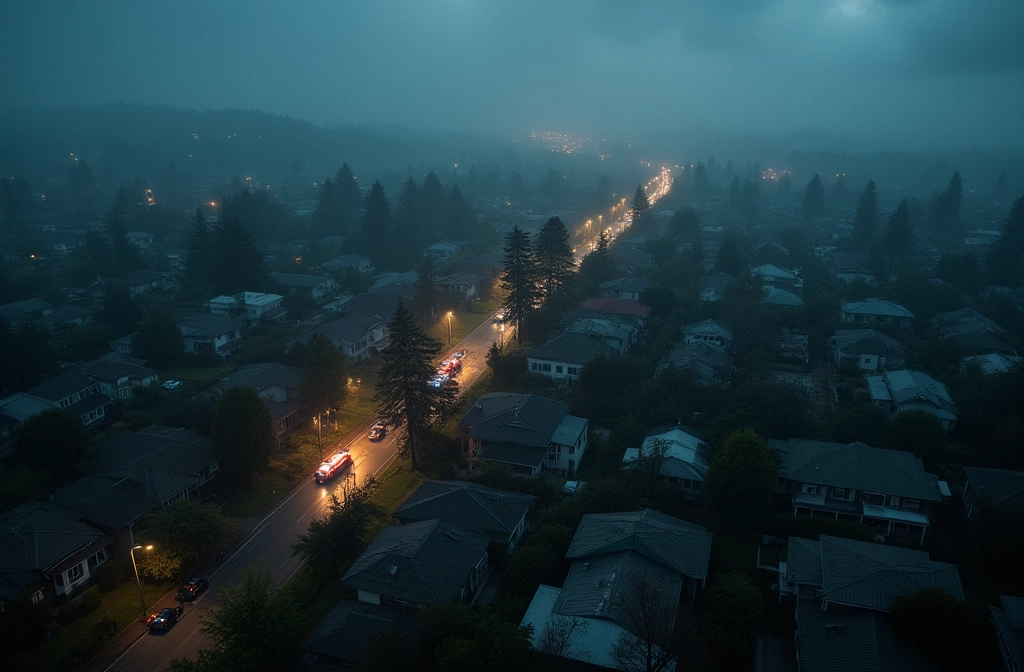
According to NZ Herald reporting, nearly 4,000 customers have lost power in Tauranga ahead of Cyclone Vaianu's landfall. Red wind warnings are currently active for Great Barrier, Coromandel, Rotorua, and Bay of Plenty—the highest alert level for wind hazards. The cyclone is forecast to bring torrential rain, winds reaching 140 km/h, and waves up to 8 meters.
Why this matters: Cascading power outages during a major weather event signal grid stress at a critical moment. When bulk generation and distribution infrastructure faces simultaneous demand spikes and physical damage risk, restoration timelines extend rapidly. Four thousand affected customers represents localized failure—but suggests broader regional vulnerability if the cyclone's track intensifies impacts across the wider Bay of Plenty network.
Communications and supply chain resilience become operationally critical during the outage window. Water treatment, fuel pumps, refrigeration, and emergency service coordination all depend on either grid availability or on-site backup capacity—which most residential and small-business consumers lack.
What to monitor: Track whether outages remain contained to Tauranga or expand across the wider Bay of Plenty zone as the cyclone moves inland. Published restoration estimates from the local utility will indicate grid damage severity. Secondary effects—fuel shortages, water pressure loss, road access disruption—typically manifest 12–24 hours after initial power loss.
Practical posture for affected regions: If you're in the warning zones, fuel vehicle tanks and verify backup power systems (generators, batteries, fuel supply) are operational before conditions deteriorate. Charge all devices now. Fill bathtubs with water for non-potable use if you have municipal supply concerns. Confirm you have 72-hour minimum supplies of essentials—water, medications, food that doesn't require refrigeration or cooking. This is standard pre-cyclone preparation, not speculation.