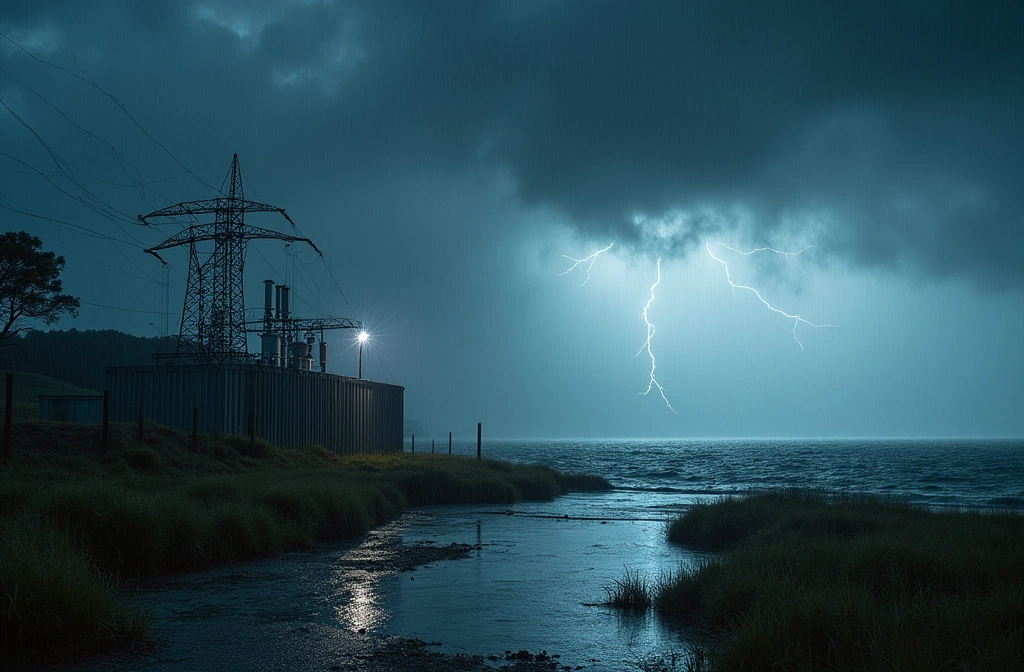
Cyclone Vaianu crossed the coast near the Maketu peninsula on April 12, 2026, packing destructive winds exceeding 130 km/h (80 mph), heavy rain, and large swells, according to reporting from ABC News and The Guardian. Initial reports confirm floods and power outages across New Zealand's North Island, with hundreds evacuated from affected areas.
Authorities have issued a critical warning: the worst damage from the cyclone is yet to come. This suggests the peak wind and precipitation phase is still approaching, meaning infrastructure stress—particularly power distribution and water management systems—will likely intensify over the next reporting cycle.
Why this matters for preparedness: Cyclone-driven outages typically cascade. Power loss disrupts water treatment and distribution, fuel pumping stations, and medical facility operations. In New Zealand's case, the combination of flooding and active wind damage may degrade multiple infrastructure layers simultaneously, extending recovery timelines. Grid operators in the region will face dual pressure: managing generation loss (if plants are offline) while restoring transmission lines damaged by wind and fallen debris.
For those monitoring grid stability in the Southern Hemisphere or tracking regional supply chain impacts (New Zealand is a significant agricultural exporter), this event warrants 48-72 hour situational awareness.
What to watch: Monitor official New Zealand Civil Defence updates for extent of transmission damage and estimated restoration timelines. Power restoration sequencing—whether operators prioritize hospital/water systems or broad geographic areas first—will signal recovery trajectory. Secondary impacts (road/port closures affecting fuel and food logistics) may cascade into wider regional supply constraints.
Practical note: If you operate infrastructure, supply chains, or communications dependent on New Zealand connectivity, establish direct contact with regional partners now rather than during peak outage. Verify backup power and water reserves are current. This is a live, developing event with confirmed grid impact—not a future risk scenario.