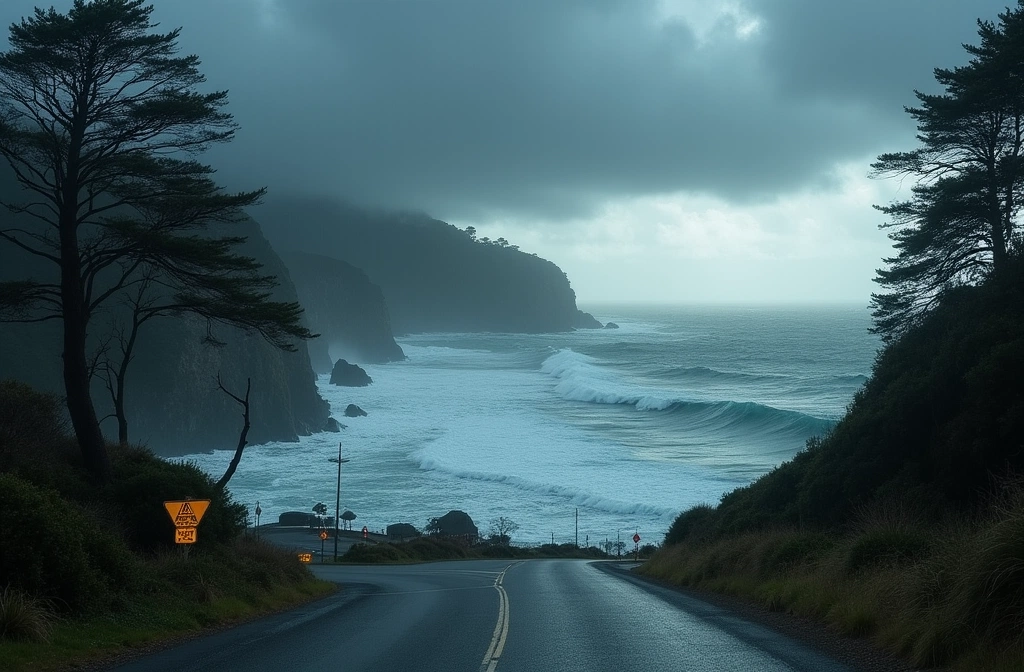
According to the NZ Herald, states of emergency have been declared in Tauranga and Western Bay of Plenty in response to Cyclone Vaianu. Officials are urging people in coastal or low-lying flood-prone areas to evacuate to higher ground.
Why this matters: Cyclone-driven evacuations in populated coastal zones test local emergency response systems, communication infrastructure, and supply chain logistics. The Bay of Plenty region includes critical infrastructure, ports, and residential areas that may face disruption. Power outages during severe weather events can cascade across water treatment, fuel distribution, and medical services—particularly in areas with limited redundancy.
For preparedness-minded households in affected regions or similar cyclone-vulnerable areas, this is a live case study in execution: evacuation routes may become congested; communication networks may degrade; shelters may reach capacity. Pre-positioned supplies (water, medications, documents, cash) become essential when you have hours, not days, to move.
For those outside the immediate impact zone, Cyclone Vaianu underscores the value of understanding your region's hazard exposure (flooding, wind, storm surge) and maintaining a current evacuation plan with multiple route options.
What to watch: Monitor official NZ civil defense channels for scope of impact—damage reports will clarify whether infrastructure systems (power, telecommunications, water) sustained significant disruption. Such data informs risk modeling for other Pacific-facing regions with similar exposure.
Immediate step for affected residents: If directed to evacuate, move now. Do not wait for a second notice. Bring documents, medications, cash, and water. If sheltering in place, ensure you have battery power, fresh water, and non-perishable food.