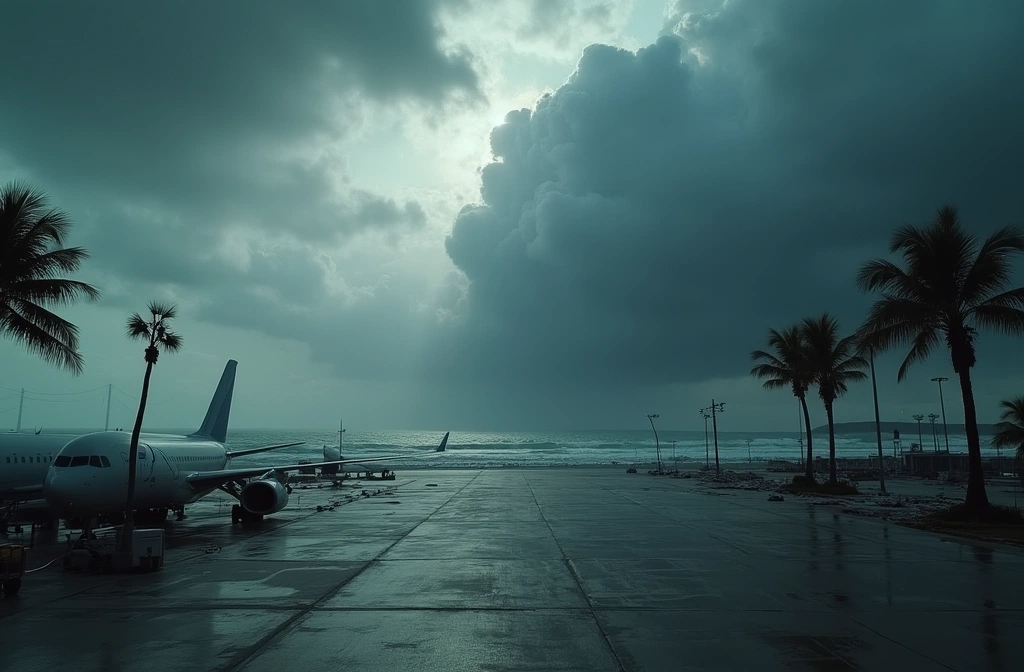
Cyclone Vaianu has triggered extreme urgent alerts in New Zealand and Fiji, according to Travel and Tour World reporting. The storm has produced powerful winds, heavy rain, and poses a risk of coastal flooding across the South Pacific region.
Immediate operational impacts are severe: commercial flight operations have been grounded, tourism infrastructure disrupted, and thousands of travelers are stranded with no clear timeline for service restoration. This type of large-scale transport paralysis cascades quickly—airport closures trap not only tourists but also supply chains, medical personnel, and emergency response assets.
Why this matters for preparedness: Regional cyclones of this magnitude expose infrastructure vulnerabilities that extend beyond tourism. When airports close, cargo movements halt. When ports face coastal flood risk, fuel supplies and food imports can be delayed. For individuals and organizations in or traveling to the South Pacific, this is a live reminder that weather events don't announce themselves on a convenient schedule—they compress decision windows.
For those in affected zones: Current guidance from authorities should be your primary reference. If you're stranded, assume communication networks may degrade; have offline copies of emergency contacts and your location details. If you're planning travel to New Zealand or Fiji in the near term, monitor official civil defense channels and airline updates directly—not social media summaries.
For broader preparedness context: This event underscores the real-world speed of regional infrastructure shutdown. Supply chains dependent on air transport, tourism-dependent economies, and travelers without redundant exit routes all face immediate pressure. The data point here is simple: when a single weather system can strand thousands and halt a region's primary transport hub, preparedness means having your own communication plan, supplies, and alternative routes mapped before crisis hits.
Watch the official New Zealand and Fiji civil defense channels for updated impact assessments and timeline for service restoration.