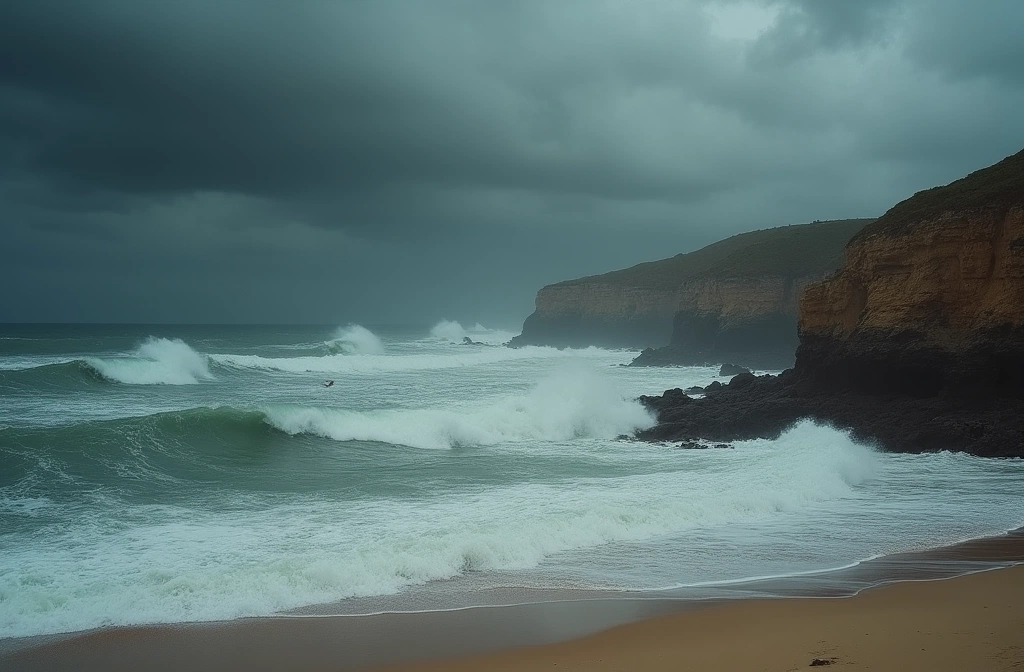
According to the NZ Herald, Cyclone Vaianu is moving toward Hawke's Bay, and authorities are actively warning residents and visitors to remain indoors and avoid beaches and waterfront areas. The timing is critical: the cyclone's arrival is expected to align with a 1 PM high tide, a combination that increases surge and inundation risk significantly.
The warning reflects standard severe weather protocol—keeping people out of exposure zones during peak conditions. The fact that authorities felt compelled to call out sightseers suggests either public compliance issues or genuine concern about foot traffic in hazard zones during the event window.
For preparedness purposes, this cycle presents a concrete test case: cyclones affect infrastructure through wind damage, flooding, and storm surge. Hawke's Bay residents should expect possible power disruptions, water system impacts, and temporary loss of communications—especially if the cyclone's intensity or track changes. Road closures are probable.
Key preparedness implications:
Infrastructure vulnerability: Cyclones stress electrical grids, water treatment, and backup power systems. Regional hospitals and emergency services may face surge demand concurrent with reduced resource availability.
Communication lag: During active weather events, official updates often lag 2–4 hours. Off-grid or redundant comms (battery radio, mobile backup) become essential for isolated properties.
Supply chains: Post-cyclone, grocery and fuel supply chains typically see 48–72 hour disruptions. Households without 3–5 days of water, food, and medication are exposed.
What to watch: Monitor NZ Herald and official Civil Defence updates for track confirmation, intensity changes, and evacuation notices. If you're in Hawke's Bay, execute your pre-event checklist now—fuel vehicles, top water storage, confirm generator fuel and battery inventory, charge devices.
This is not a panic event; it's a live operational window. Treat it as a drill for your actual preparedness systems.
