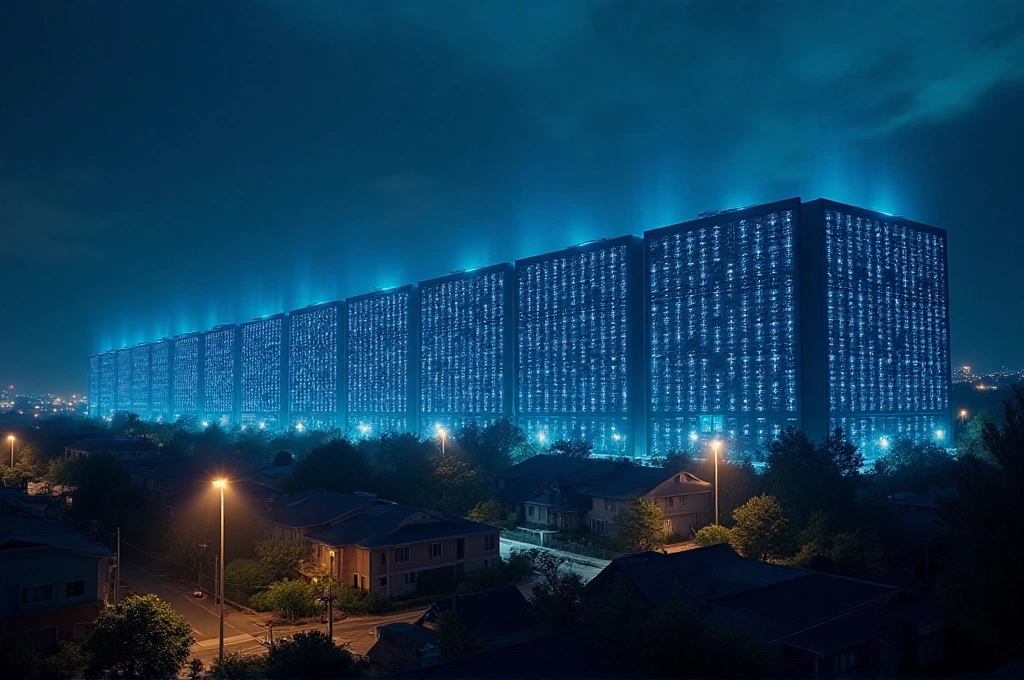
USA Today's opinion analysis flags a convergence of two infrastructure realities: rapid expansion of data centers nationwide and aging grid capacity designed for a different era of demand. Recent outages in Gary, Indiana and Memphis are framed as evidence that this mismatch is no longer theoretical—it's happening now.
Why this matters for grid preparedness: Data centers consume enormous continuous power loads. Unlike typical grid demand (which peaks and valleys), data center demand is flat and relentless. When multiple facilities activate in the same region simultaneously, or when they ramp up during peak hours, they can overwhelm transmission capacity designed with older consumption patterns in mind. This creates cascading vulnerability: a single outage affects not just local residents but also the digital infrastructure those facilities support—cloud services, payment systems, communications platforms.
USA Today's framing suggests that outages like Gary and Memphis may represent the beginning of a pattern rather than isolated incidents. The opinion piece directly connects data center proliferation to grid stress and indicates this stress will "become more frequent."
What to watch: Monitor whether outage incidents cluster in regions hosting multiple data center facilities. Track utility announcements about grid upgrades or emergency demand management in high-data-center zones. Watch for dual failures—grid outages that coincide with digital service disruptions, which would confirm the infrastructure interdependency risk.
The critical question for preparedness planning is locational: if you live or work near a major data center cluster, your exposure to grid instability may be higher than regional averages suggest. This is not yet a systemic failure signal, but it is evidence that current infrastructure planning is reactive, not anticipatory.
