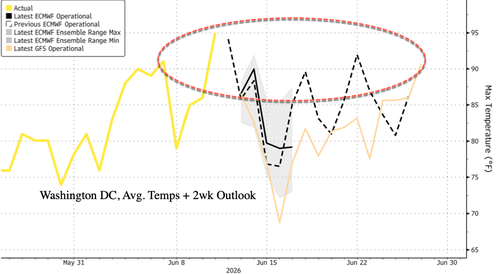
According to reporting from Solwd, the Department of Energy (DOE) has declared a grid emergency for the Southeast as sweltering temperatures drive air conditioning demand to levels that strain available generation and transmission capacity.
This declaration is significant because it signals that grid operators are operating in a constrained state—reserves are tightening, and margin for unexpected outages or equipment failures has narrowed. Heat-driven demand spikes are predictable and recurring, yet they continue to expose vulnerabilities in regional grid architecture, particularly in areas with aging infrastructure or limited transmission redundancy.
The Southeast grid serves a densely populated region with substantial industrial and commercial load. When AC demand peaks during extreme heat, even brief generation losses or transmission bottlenecks can cascade into rolling outages or forced load-shedding—involuntary disconnections of customer service to prevent grid collapse.
What makes this noteworthy: heat events are becoming more frequent and intense. If the Southeast grid is already operating under emergency declaration during this season's early heat wave, this could suggest:
— Regional generation capacity is tighter than historical norms, or — Transmission infrastructure is more constrained, or — Demand growth has outpaced supply expansion.
Any combination increases the probability of outages during future heat events or if unexpected generation goes offline.
What to watch: Grid emergency declarations typically include directives to utilities requesting voluntary conservation and/or authorizing emergency measures. Monitor whether utilities in the affected region issue load-shedding warnings or implement rolling blackout schedules. Track whether the emergency extends into late June or July—duration and frequency of declarations this season will indicate structural stress versus temporary strain.
For preparedness planning, this is a reminder that heat-driven grid stress is not hypothetical—it's operational reality in real time. Regional power fragility during summer months should factor into your backup power assessment and heat contingency planning.
