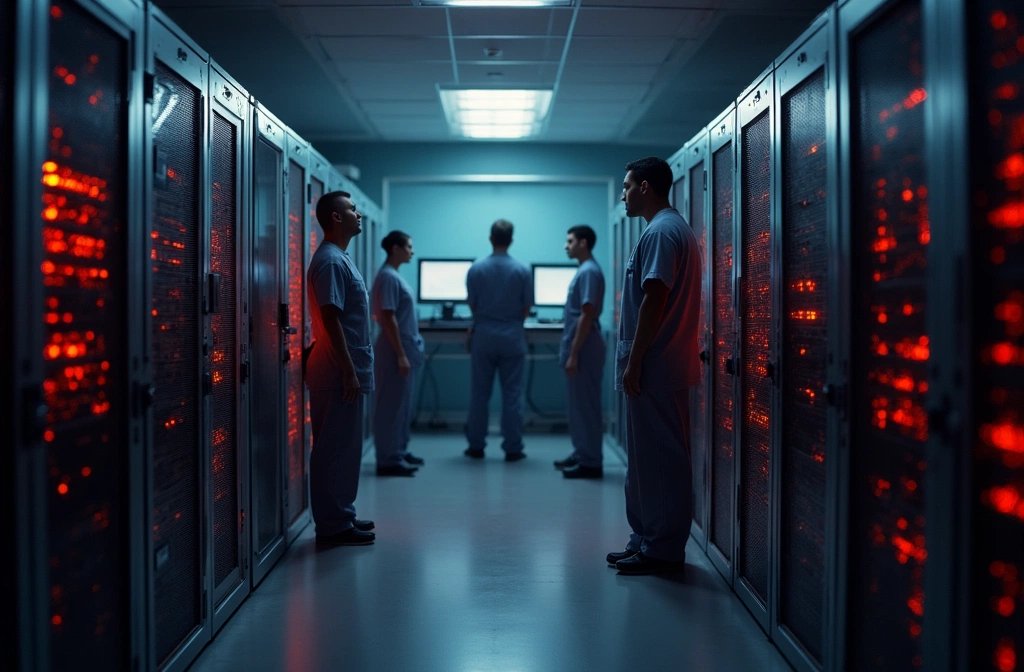
According to Cybernews, Dutch hospitals disconnected systems following a cyberattack on patient software. While the source signals do not specify the number of facilities affected, the scope of the response—disconnecting systems—indicates organizations prioritized containment and data protection over continuity of operations.
This event is significant for several reasons: First, healthcare infrastructure attacks create immediate ripple effects beyond the targeted facility. When hospitals disconnect systems, care delivery shifts to manual processes, paper records, and backup procedures—all slower and error-prone under pressure. Second, patient software represents a high-value target because it manages scheduling, medication administration, diagnostic results, and billing—core operational functions. Third, the decision to fully disconnect suggests either the attack's severity or the organization's defensive posture required severing connectivity to prevent lateral movement or data exfiltration.
For preparedness-minded observers, this reinforces a known vulnerability: critical infrastructure operators often face a binary choice during active incidents—stay connected and risk escalation, or disconnect and accept operational degradation. There is no good option, only least-bad alternatives.
What to monitor: Watch for official statements from Dutch health authorities or hospital systems identifying the attack vector (ransomware, data theft, supply chain compromise, etc.). The type of software compromised and its supply chain relationships matter—if the vulnerability affected multiple institutions or vendors, expect similar incidents elsewhere. Second, track restoration timelines. How long until systems come back online? Extended disconnections suggest either complex forensics or severe compromise.
Practical step: If you or family members require scheduled hospital care, contact facilities directly now to confirm appointment status and ask about any system disruptions affecting intake or records. Don't assume digital systems are operational. Bring copies of critical medical information—medication lists, allergies, prior test results—in paper form. Healthcare providers should review backup procedures and manual workflows; test them during non-crisis periods, not during an incident.