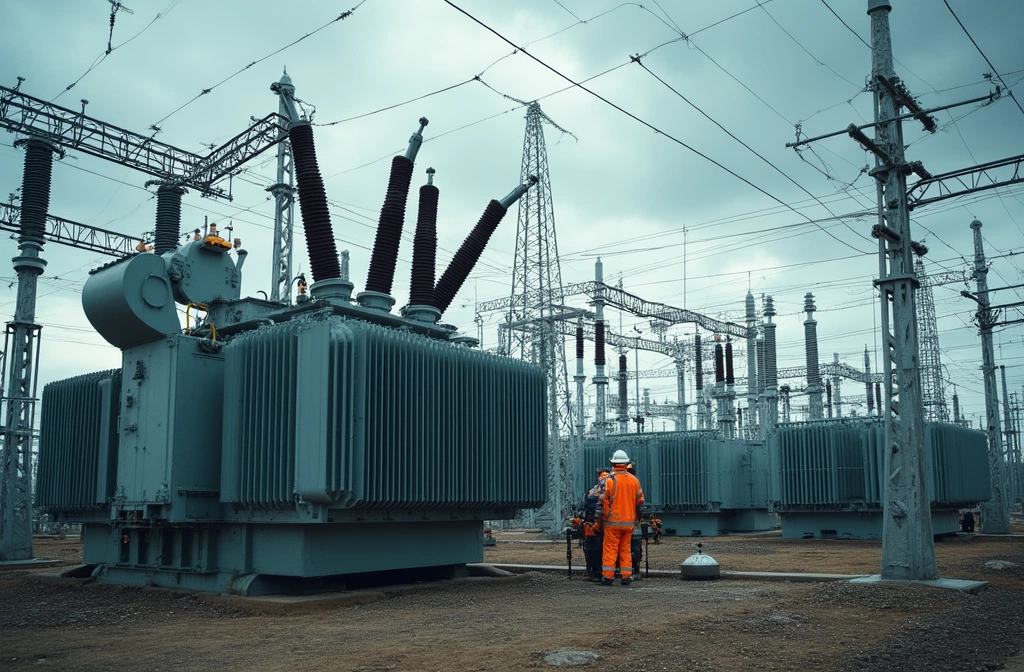
According to Graphic Online, ECG has released a full outage schedule for transformer upgrade works affecting the Teshie-Nungua areas. The announcement signals the start of infrastructure maintenance that will impact multiple communities in the region.
Scheduled outages—even planned, announced ones—create a measurable window of reduced grid resilience. During maintenance windows, backup systems are often offline, staffing is stretched, and emergency response capacity is partially redirected. For infrastructure-dependent services (hospitals, water treatment, communications hubs), this is a known vulnerability point.
What matters here: ECG's advance notice is actually a best practice. It allows hospitals, businesses, and households to prepare, test backup power, and coordinate critical operations. The fact that a detailed schedule was published suggests this is routine maintenance, not an emergency response to failure.
However, this event underscores a systemic reality in grid operations: planned maintenance and upgrade cycles create temporary fragility. If secondary failures occur during the upgrade window—equipment failure in an adjacent sector, extreme weather, unexpected demand surge—response options narrow. Ghana's grid, like many in West Africa, operates with limited redundancy in certain regions.
For residents and businesses in affected areas, advance notice means time to act: fuel backup generators, charge batteries and devices, confirm hospital/clinic backup power, and avoid critical operational scheduling during the outage window.
For infrastructure analysts: monitor whether this upgrade improves Teshie-Nungua's transformer capacity and resilience metrics long-term, or whether it's a band-aid on chronic undersizing—a pattern that repeats across Sub-Saharan African grids.
