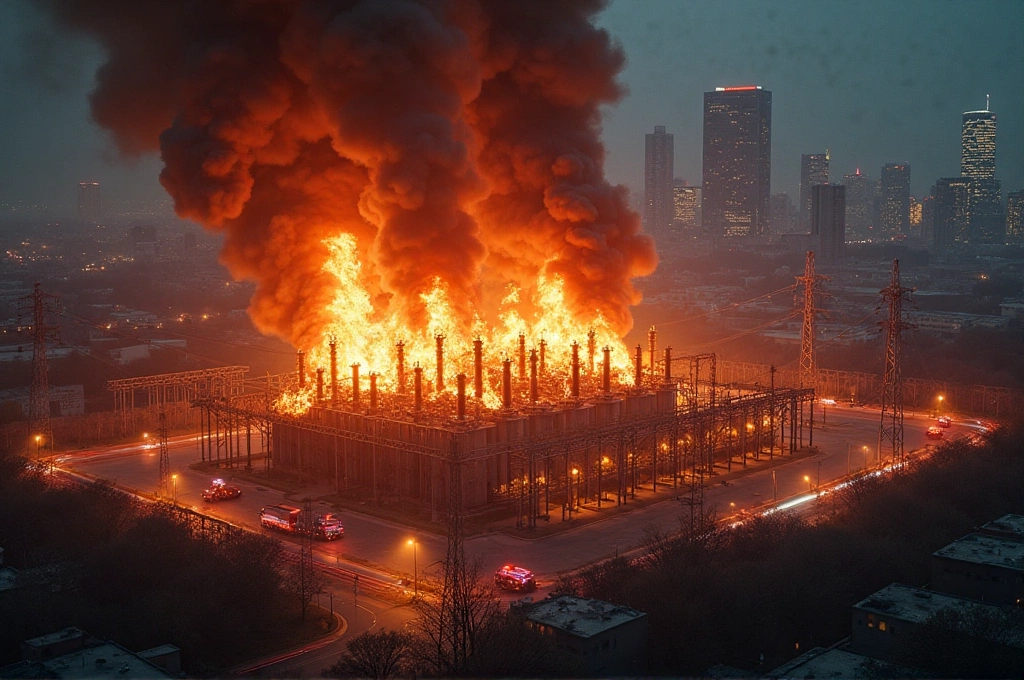
According to The Rio Times, a fire at Edelap's Tolosa substation in La Plata resulted in a blackout affecting thousands of residents on August 17. The utility company has not yet released the cause of the fire, and investigations are ongoing. Political response to the outage is mounting, signaling pressure on grid operators to improve reliability.
What matters here: Substation fires are a known failure mode in aging infrastructure systems. A single point failure—whether from equipment degradation, maintenance lapses, or external factors—can cascade across distribution networks serving dense urban populations. La Plata is a major city, and loss of a critical substation illustrates how dependent modern infrastructure is on individual nodes that may lack redundancy.
The fact that cause remains under investigation suggests no immediate clarity on whether this was operational failure, deferred maintenance, environmental stress, or equipment malfunction. That ambiguity is itself a signal: utilities operating without transparent root-cause analysis protocols tend to experience repeat incidents.
For grid observers, the emerging political response is worth monitoring. Pressure on utilities often results in hastily deployed fixes rather than systemic remediation. Watch whether Edelap conducts a full infrastructure audit of similar substations, implements enhanced monitoring on critical nodes, or instead moves to reactive repair cycles.
This incident is not unusual in isolation—substation fires occur regularly in grids worldwide. What distinguishes preparedness-relevant events is whether they trigger systemic change or become normalized as acceptable risk. The next 30-60 days will indicate whether Edelap treats this as a one-off or as evidence of broader vulnerability in their network. That trajectory matters for residents and for understanding how resilient regional grids actually are under stress.
