According to Utility Dive, the 2026 El Niño climate pattern is expected to reduce Atlantic storm activity this year. On the surface, that sounds like a win for coastal utilities and grid operators. It isn't.
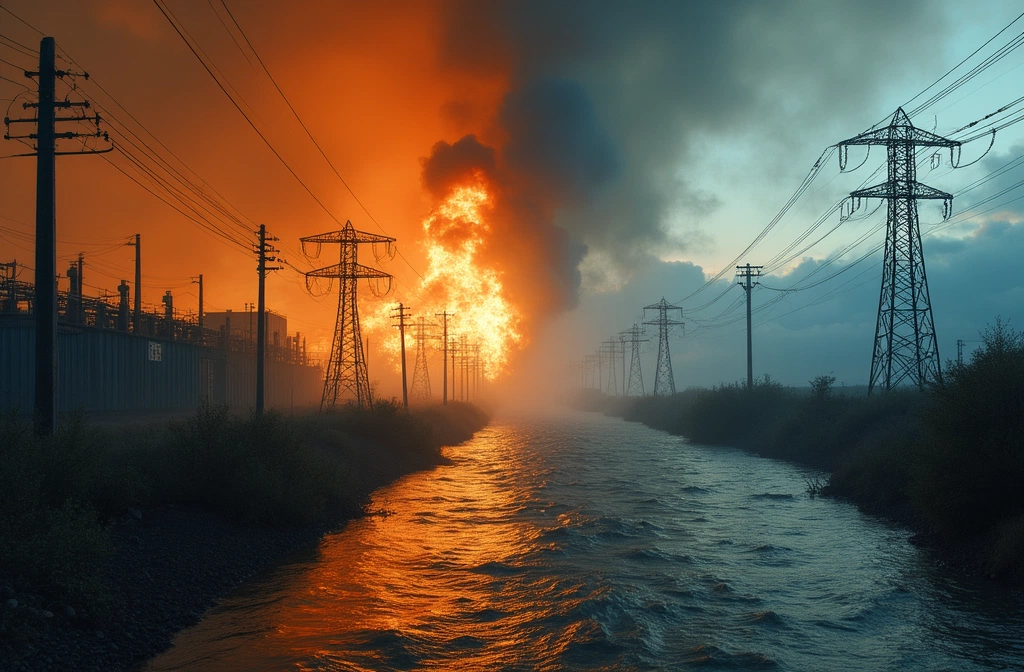
The same climate pattern that suppresses Atlantic hurricanes is shifting extreme weather risk to other parts of the country. Utilities now face localized power outage concerns tied to flooding and wildfires in regions where those threats are intensifying—a geographic redistribution of grid stress, not a reduction of it.
This matters because power system vulnerability isn't monolithic. Utilities in wildfire-prone zones (Southwest, Northern California, Pacific Northwest) and flood-risk areas operate under different constraints than hurricane-exposed operators. Wildfire threats demand rapid vegetation management and defensible infrastructure; flood risk requires different backup systems and water management coordination. A utility optimized for hurricane resilience may have gaps elsewhere.
The operational consequence: grid planners can't simply celebrate fewer storms. They face a new coordination challenge—ensuring that as risk concentrates in specific regions, those utilities have adequate preparation, redundancy, and mutual aid agreements in place. A major wildfire outage in one state could create cascading demand on neighboring grids already stressed by localized flooding.
What to watch: Monitor utility planning documents and FERC filings for evidence that regional operators are stress-testing scenarios specific to their new risk profile. Look for investment announcements in wildfire mitigation infrastructure (undergrounding, rapid-response systems) and flood-resilient backup power in vulnerable areas. If utilities are not visibly shifting resources toward their new threat vectors, that's a signal of preparation lag.
