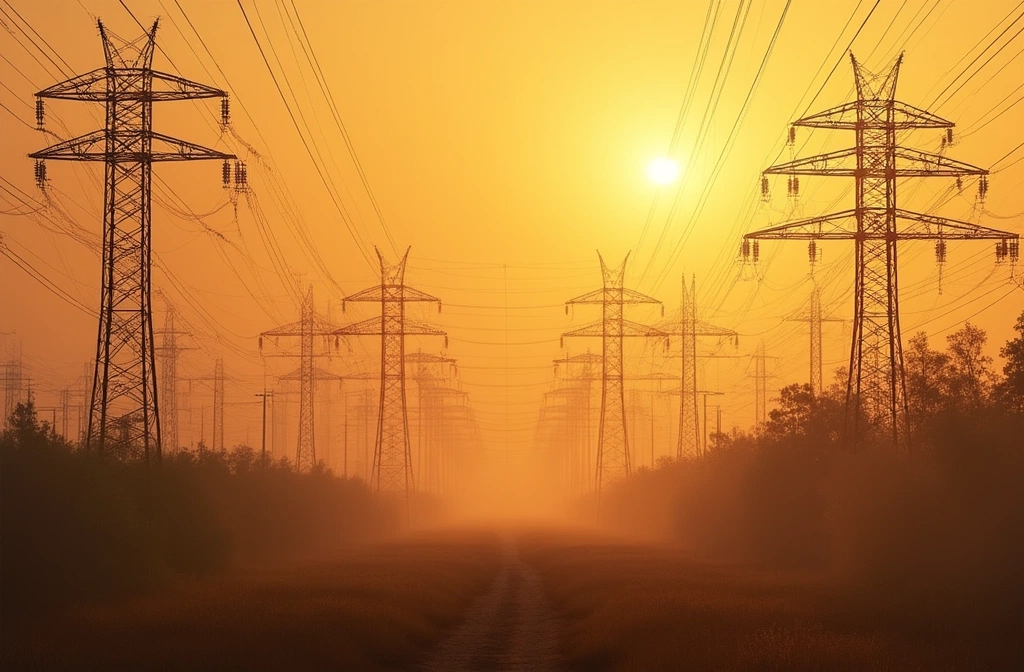
According to The Epoch Times, the Energy Secretary has issued emergency orders aimed at bolstering the Mid-Atlantic power grid amid heat wave risks. The action targets the PJM Interconnection region, which covers parts of the Northeast and Mid-Atlantic. The administration attributes blackout threats to prior policies, though the source does not detail specific policy mechanisms or timeline projections.
Why this matters: The PJM Interconnection is one of the largest electricity grid operators in North America. Heat waves create dual pressure on grid stability—simultaneous surge in air conditioning demand while transmission and generation capacity can degrade under thermal stress. Emergency orders typically indicate grid operators have moved beyond standard protocols into contingency management.
The fact that federal intervention occurred suggests regional grid planners determined risk exceeded normal operating margins. However, the source does not specify which specific emergency authorities were invoked, how long conditions are expected to persist, or what measurable outcomes the orders target.
What to monitor: Watch for real-time grid status from PJM's public dashboard (available at pjm.com). Track whether rotating outages are declared, which would indicate grid frequency stabilization failed. Monitor weather forecasts for heat wave duration and intensity—grid stress compounds if high temperatures persist beyond 3-5 days. Listen for statements from state Public Utility Commissions regarding demand response activations or supply constraints.
Historically, summer heat waves have tested grid margins before (2021 Texas freeze preceded 2022 summer stress). The difference here is that federal-level emergency orders suggest planners view current conditions as higher-risk than routine seasonal demand. This reflects either tighter margins than previous years or more aggressive forward-looking risk assessment. Either reading indicates grid resilience in this region warrants active monitoring rather than passive assumption of stability.
