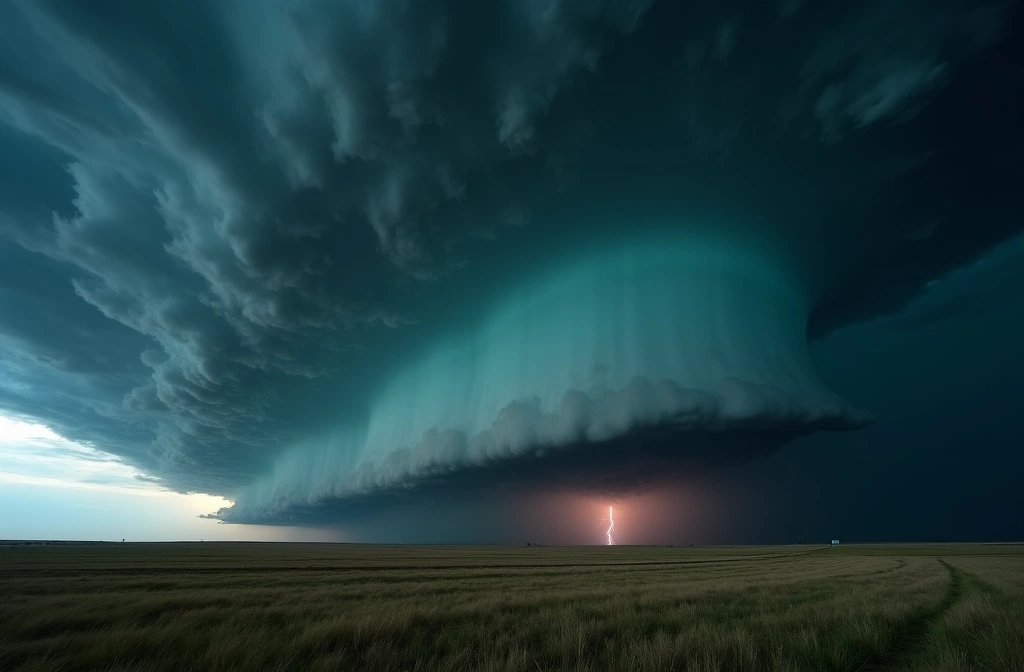
A significant severe weather threat is taking shape across the central U.S. corridor. According to The Watchers, the event is forecasted to impact the region from northern Oklahoma through Wisconsin on April 17, 2026, with strong tornadoes, large hail, and damaging winds all possible. The National Weather Service's Enhanced Risk designation signals elevated confidence in severe storm development across a broad geographic area.
This matters operationally because multi-phase severe weather events often strain emergency response resources. When tornadic activity, hail, and wind damage occur across multiple waves, dispatch systems, first responders, and critical infrastructure face compounded demand. Utility lines are vulnerable to both wind damage and lightning strike from active convection. Communications towers in the impact zone may experience outages from direct wind damage or loss of backup power during extended operations.
For infrastructure-dependent operations, the timing and track of this system remains the critical variable. The geographic breadth—from Oklahoma northeastward to Wisconsin—suggests potential impact to major transportation corridors, power distribution hubs, and regional communication networks.
What to watch: The next 48-72 hours will clarify the exact track, timing, and phase intensity. Early indicators from mesoscale modeling will help pinpoint which states and counties face the highest risk. Real-time updates from the Storm Prediction Center (SPC) will be essential for refining preparation windows. Secondary signals to monitor include upstream weather pattern shifts that could accelerate or delay the system's arrival, and any adjustments to risk categorization from severe weather authorities. Communities in the primary impact corridor should have communications plans and supply access strategies finalized before April 17.