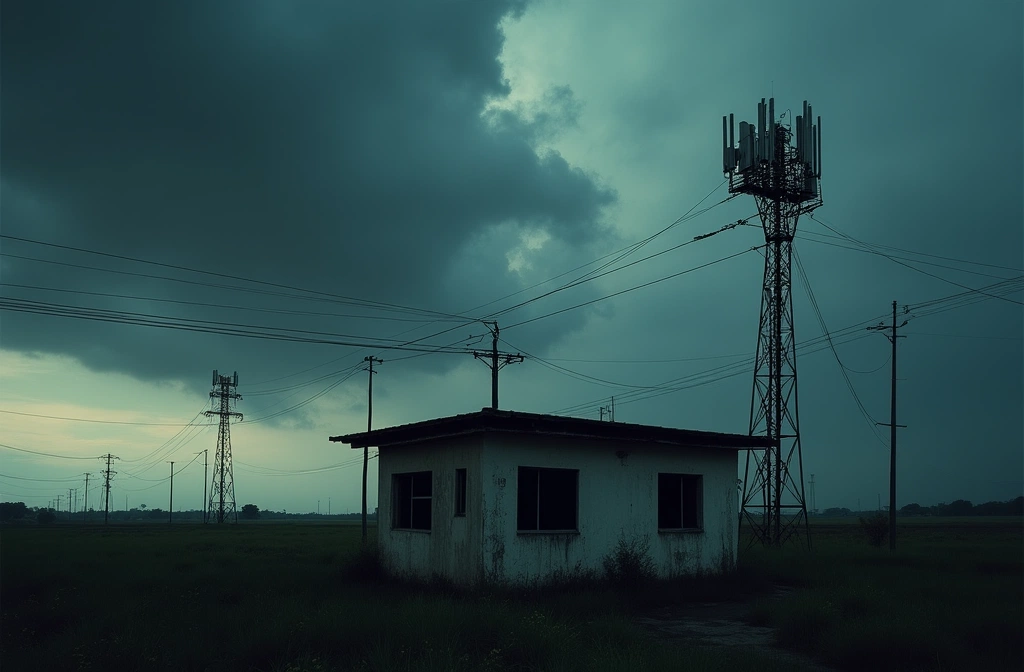
According to Cuba Headlines, Gustavo López Cruz, head of ETECSA's commercial department in Sancti Spíritus, revealed to Radio Vitral that the island's ongoing energy crisis is creating acute challenges for telecommunications infrastructure. Specifically, López Cruz acknowledged that extended blackouts combined with fuel shortages for backup generators have placed the company in an "increasingly challenging position." He indicated that sustaining telecommunications technology beyond 24 hours without grid power is becoming untenable under current conditions.
Why this matters: Telecommunications systems depend on continuous power. When grid outages exceed backup generator fuel capacity, the cascading failure is immediate and total—no calls, no internet, no emergency dispatch. ETECSA's public acknowledgment suggests the situation has deteriorated enough that operational secrecy is no longer tenable.
This signal is particularly significant because utility officials rarely admit infrastructure vulnerability on air. López Cruz's candor to a radio station suggests either (a) the problem is visible enough that denial is futile, or (b) the utility is laying groundwork to explain imminent service degradation to the public.
For preparedness purposes, this underscores a known risk: in energy-stressed regions, telecommunications are often the first infrastructure to fail during extended grid stress. This has direct implications for anyone relying on cell networks for emergency communication, financial transactions, or coordination during a crisis.
What to watch: Whether ETECSA announces formal service rationing, implements rolling blackouts specifically for telecommunications infrastructure, or issues public guidance on backup power timelines. Secondary indicator: whether other Cuban regions report similar public admissions from local telecom or utility officials.
