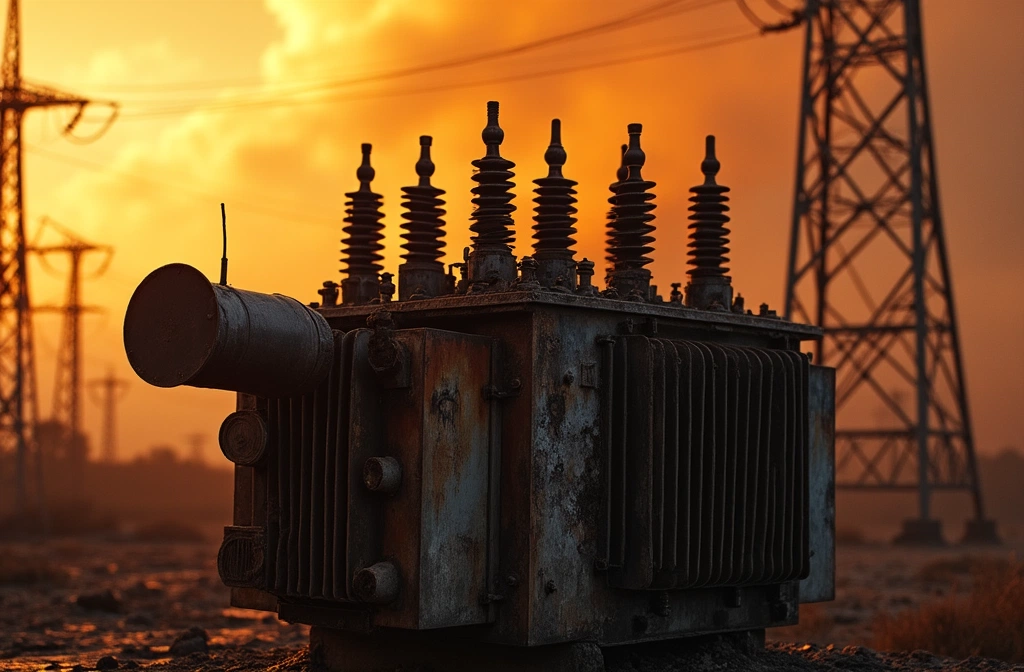
Heat-driven grid stress is now measurable, not theoretical. CNN reported that a transformer failure in northwestern France knocked out power to 38,500 homes as of 3:30pm local time. The local power operator explicitly attributed the failure to the heat wave. Simultaneously, in Italy, excessive air conditioning use caused electricity outages severe enough to force the closure of the Uffizi museums in Florence—a signal that peak demand during heat events can exceed grid capacity faster than load-shedding can respond.
Why this matters: Transformers are designed with thermal limits. When ambient temperatures climb and load demand spikes simultaneously, the failure modes shift from gradual degradation to acute cascade. France's incident shows that even mature European grids with redundancy built in can suffer localized but significant outages. Italy's air conditioning demand surge illustrates a second failure vector: consumer behavior during heat events concentrates load in ways that centralized forecasting struggles to absorb, especially when cooling load is non-negotiable (hospitals, data centers, vulnerable populations).
The CNN report indicates additional heat is forecast for Thursday, suggesting this is an ongoing stress scenario, not an isolated incident. This creates a pattern worth monitoring: if Thursday's temperatures repeat or exceed current peaks, we may see whether grid operators successfully implemented real-time demand management or whether additional infrastructure failures occur.
For preparedness purposes, this event underscores a critical exposure: grid reliability during extreme heat is now a demonstrated weak point in European infrastructure, not a hypothetical. Regions with aging transformer fleets, limited redundancy, or synchronized cooling loads face acute risk. Secondary failures—water system pressure drops due to pump failures, hospital backup generators running longer than designed, communications tower power loss—follow from primary grid events. Watch whether grid operators issue conservation appeals for Thursday, which would signal operational stress rather than routine load management.
