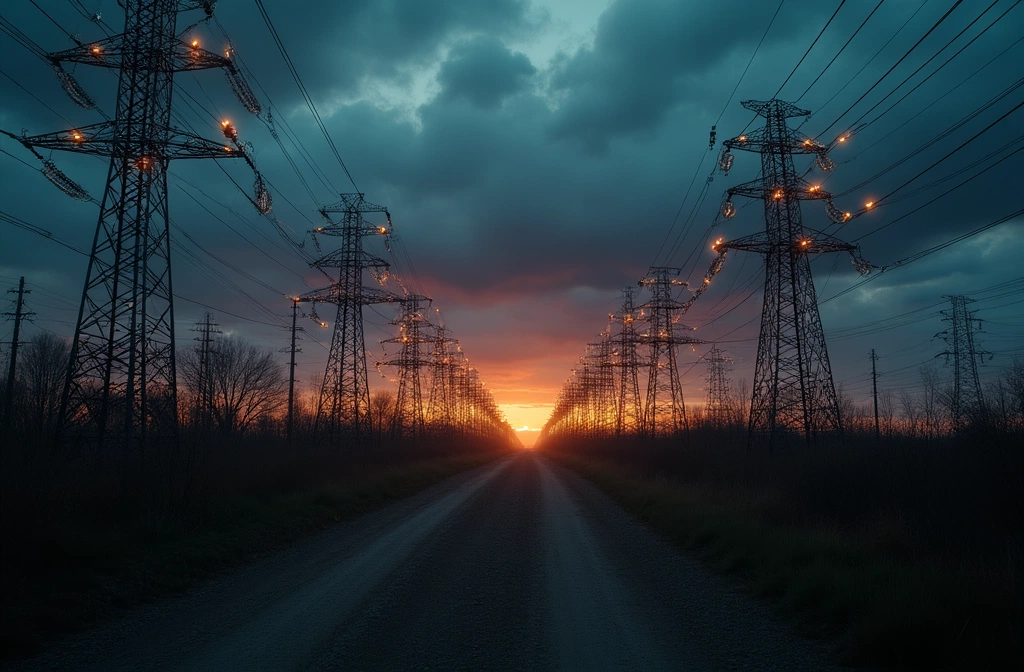
According to Exelon CEO Calvin Butler, the U.S. power grid faces blackout risk by 2027 driven by rising electricity demand. The vulnerability is concentrated in two regions: the Northeast and Midwest, where a shortage of power plants could leave approximately 400,000 customers exposed to outages during extreme cold weather conditions.
Why this matters: The grid's ability to meet peak demand during weather stress is foundational to modern infrastructure resilience. A regional blackout affecting 400,000 customers during winter cold snaps cascades rapidly—heating systems fail, water treatment becomes unreliable, fuel supply chains break, and backup power systems become critical chokepoints. Unlike transient weather events, a capacity shortfall is structural and doesn't resolve without new generation coming online.
Butler's warning reflects real-time grid analysis from one of the nation's largest utility operators. Exelon manages significant generation and distribution assets, giving the statement credibility rooted in operational data rather than theoretical modeling.
What to watch: The critical indicator is whether utilities in the Northeast and Midwest announce new power plant construction timelines in the next 12-18 months. If capacity additions don't materialize on schedule, the 2027 window tightens. Secondary signals include grid operator alerts (NEISO, PJM) regarding reserve margin forecasts and any official emergency preparedness statements from state governments.
Systemic risk angle: A regional blackout cascades beyond electricity. Winter outages in these regions trigger heating failures, water system failures, and fuel supply disruptions simultaneously. Communities without distributed generation (solar, battery backup) or robust manual contingencies face compounding infrastructure collapse. The warning also reflects a broader grid architecture problem: centralized generation capacity tied to regional transmission bottlenecks, with limited redundancy.
