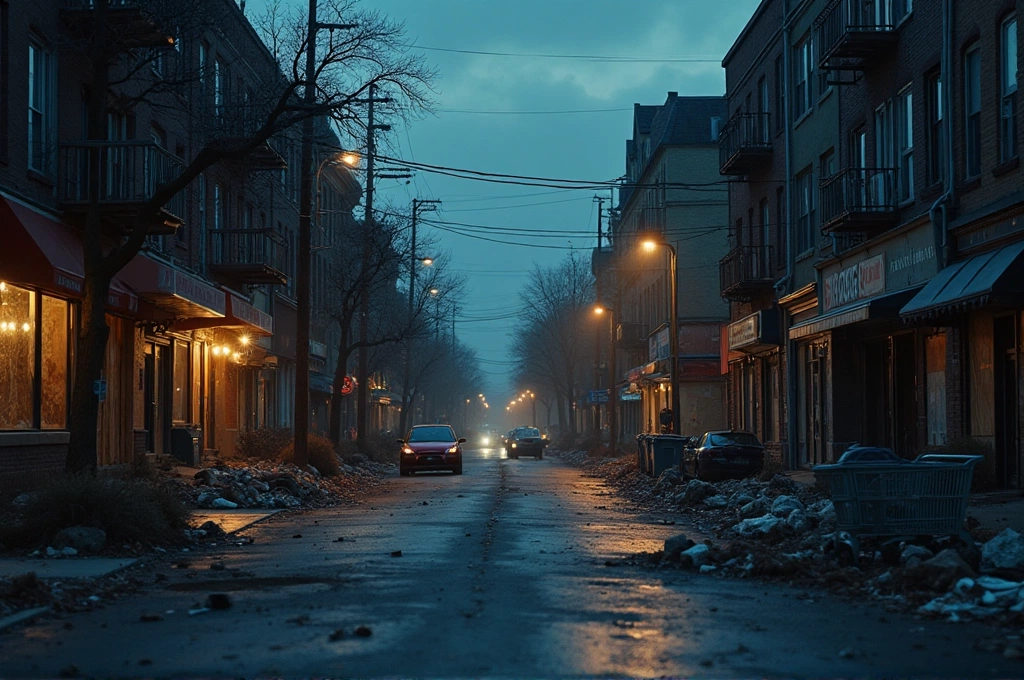
According to a report published on preppgroup.home.blog, a seven-day power outage exposed a critical preparedness blind spot: social infrastructure fails faster than electrical infrastructure. The account documents how neighbors transitioned from normal relations to theft and security concerns within the outage window—suggesting that extended blackouts may create conditions where community cohesion breaks down before utilities restore service.
The signal aligns with an emerging pattern of rolling blackouts described as increasingly common rather than anomalous. While the source attributes these outages to utility company errors and government mismanagement, it frames them as symptomatic of deeper grid infrastructure strain—not isolated events.
This matters because preparedness planning typically focuses on supply stockpiles, backup power, and technical resilience. The firsthand evidence suggests a cascading vulnerability: even with adequate personal resources, social order deterioration can force defensive posture (fortification) within days, creating secondary stressors that compound survival difficulty.
The seven-day window is notable. It's longer than typical weather-related outages but short enough that mutual aid and informal governance haven't stabilized. Utility restoration timelines, community trust reserves, and resource visibility all collapse within this band, creating what might be termed a "social cascade failure"—distinct from but parallel to infrastructure failure.
What to watch: Monitor whether rolling blackouts increase in frequency or duration. If blackouts extend beyond 72 hours with regularity, social friction data (neighborhood crime, security incidents, community complaints during/after outages) becomes a leading indicator of broader grid fragility. Current evidence suggests even well-resourced individuals can be forced into defensive isolation by behavioral deterioration among neighbors—a threat variable most grids-down scenarios underestimate.
