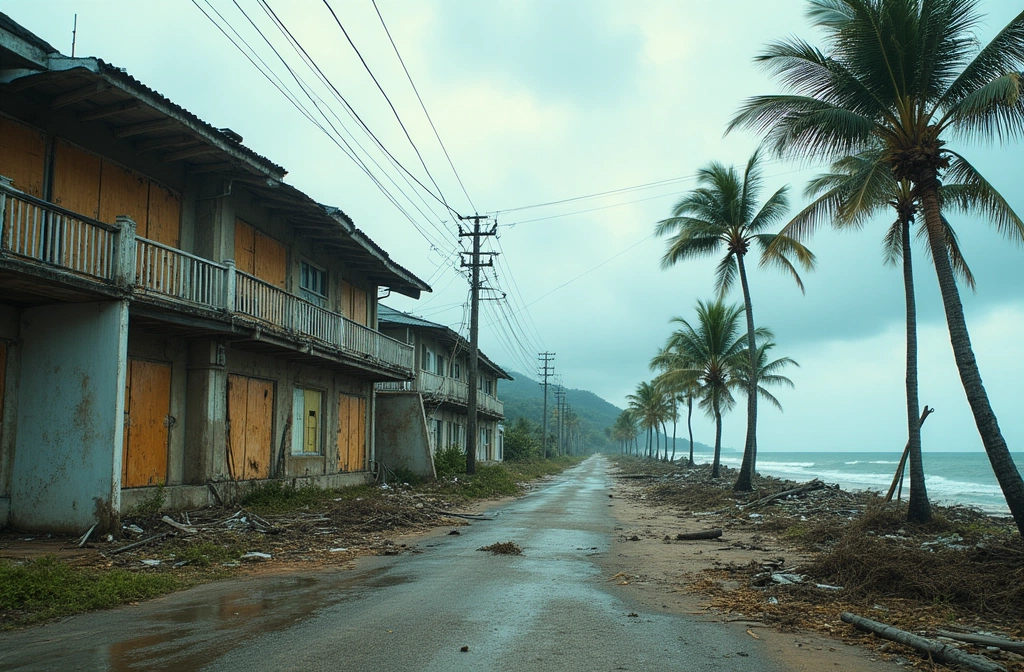
The FCDO has issued a safety advisory for Jamaica following two distinct but compounding risks: a documented rise in sexual assaults targeting resort visitors, and unresolved infrastructure damage from Hurricane Melissa.
This matters because it signals a convergence of immediate criminal risk and systemic recovery vulnerability. When disaster recovery infrastructure remains degraded—power grids, water systems, emergency response networks—security gaps widen. Reduced lighting, compromised communications, delayed emergency services, and transient populations create conditions where criminal activity can escalate unchecked.
The specifics from the FCDO warning indicate the threat is active enough to trigger official advisory status, meaning it's not speculative or historical. The resort assault pattern is particularly relevant because it targets a defined, predictable population in concentrated locations—suggesting either organized activity or environmental conditions enabling repeat offenses.
Hurricane Melissa's infrastructure footprint appears to extend beyond the immediate recovery window. Ongoing damage implies gaps in water treatment, grid resilience, backup power systems, and emergency dispatch capacity. These are the systems that protect travelers when crises occur.
For preparedness readers, this is a case study in compound risk: a security threat layered onto infrastructure fragility. Individual travelers considering Jamaica should treat this as an active intelligence flag, not a temporary warning. Organizations sending employees or conducting operations there should update threat assessments and communications protocols.
What to monitor: whether the FCDO escalates the advisory further, whether other governments issue similar warnings (a signal that the threat is widening), and infrastructure recovery timelines for critical services in resort zones. A secondary indicator would be any reporting on law enforcement capacity or resource constraints in response.
