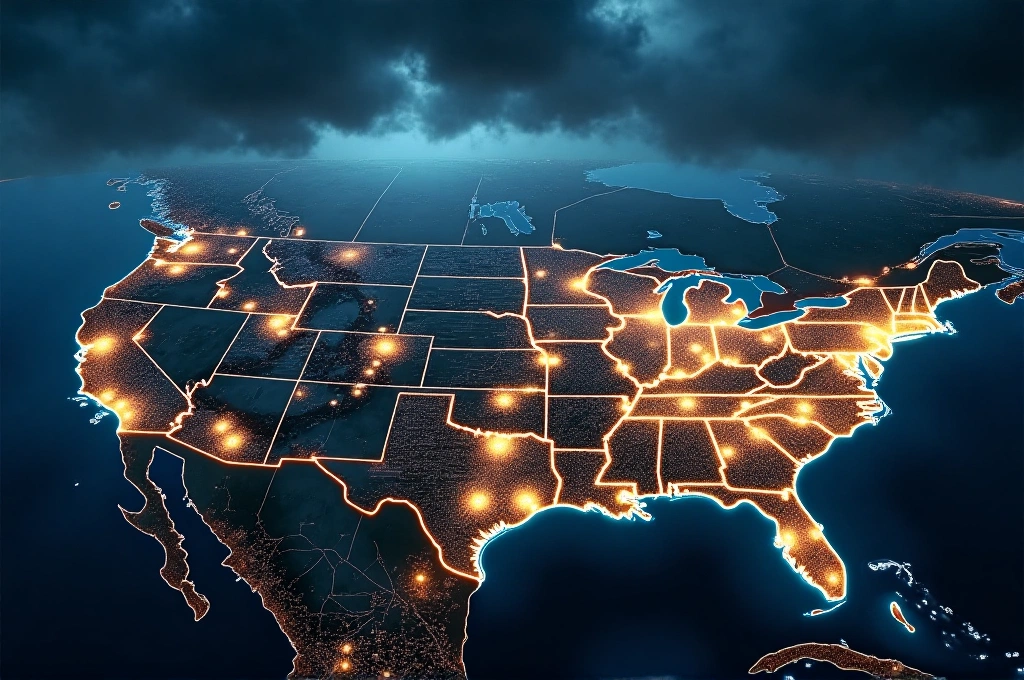
According to reporting by Cox, a federal analysis has identified a cascading failure scenario where compromising three separate electrical grids could theoretically trigger a coast-to-coast power outage. This finding underscores a systemic vulnerability in how North America's power infrastructure is networked and interdependent.
The second, equally serious problem is supply-chain fragility. Power substations depend on huge, custom-built transformers. These transformers are in critically short supply. This means that even if the grid survives an initial outage event, recovery could be severely hampered by the inability to replace damaged hardware quickly.
Why this matters: The U.S. power grid operates on regional and interconnected networks. A cascading failure across three grids suggests that isolation mechanisms—or geographic separation—may be insufficient to contain localized damage. If damage spreads across multiple interconnections simultaneously, restoration becomes exponentially harder.
The transformer shortage amplifies the risk. Large power transformers are specialized equipment with lead times measured in months to years under normal conditions. In a major outage scenario, demand for replacements would spike while inventory remains depleted. This creates a window of extended grid-down conditions that could last weeks or longer in affected regions.
This is not theoretical risk. It describes a specific failure mode that federal analysis has modeled and documented. The vulnerability exists now, in current infrastructure.
What to watch: Monitor reporting on grid resilience initiatives, transformer manufacturing capacity announcements, or any major substation outages. These will signal whether the vulnerability is being actively addressed or remains static.
