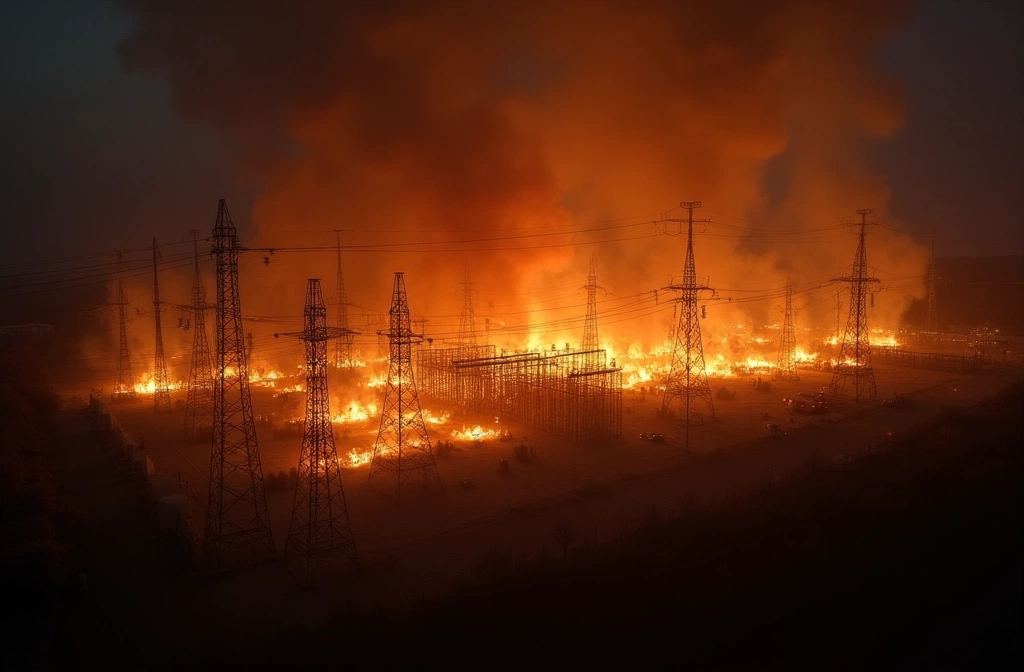
On August 8, a fire at Kenya's Kakamega substation triggered a blackout affecting five counties, according to reporting from Kenyans.co.ke. This outage comes nine days after a nationwide blackout on July 29, which Kenya Power attributed to a technical disturbance on the national grid.
Two significant grid failures in nine days signals potential systemic vulnerability. While Kenya Power characterized the July 29 event as technical rather than catastrophic, the rapid recurrence—this time triggered by a localized equipment fire—suggests the grid may lack sufficient redundancy or isolation mechanisms to prevent single-point failures from cascading across multiple counties.
For preparedness purposes, this pattern matters. Substation fires are typically preventable through maintenance and thermal monitoring. That two separate grid-wide or multi-county failures occurred within nine days may indicate either deferred maintenance cycles, inadequate spare capacity, or both. The speed of restoration from the first outage is not yet documented in available sources, making it unclear whether recovery times are improving or degrading.
Key infrastructure risk: If substations lack geographic or electrical isolation, localized equipment failure can propagate beyond the intended service area. Power utilities typically use circuit breakers and sectionalizing switches to contain damage, but their effectiveness depends on proper installation, testing, and real-time monitoring.
What to watch next: Monitor whether Kenya Power publishes root cause analysis for the Kakamega fire and confirms restoration timelines. A third significant outage within 30 days would suggest systemic issues rather than isolated incidents. Track whether Kenyan media reports indicate damage to interconnection lines (which would affect multiple counties) versus isolated substation failure (which should not). If outages begin following weather patterns or load-shedding schedules, that suggests deliberate grid management rather than equipment failure—a different preparedness posture entirely.
For readers in Kenya or dependent on Kenyan grid stability: This is not yet an emergency signal, but it is a yellow flag. Document your personal outage patterns, test backup power systems, and establish communication protocols with neighbors.
