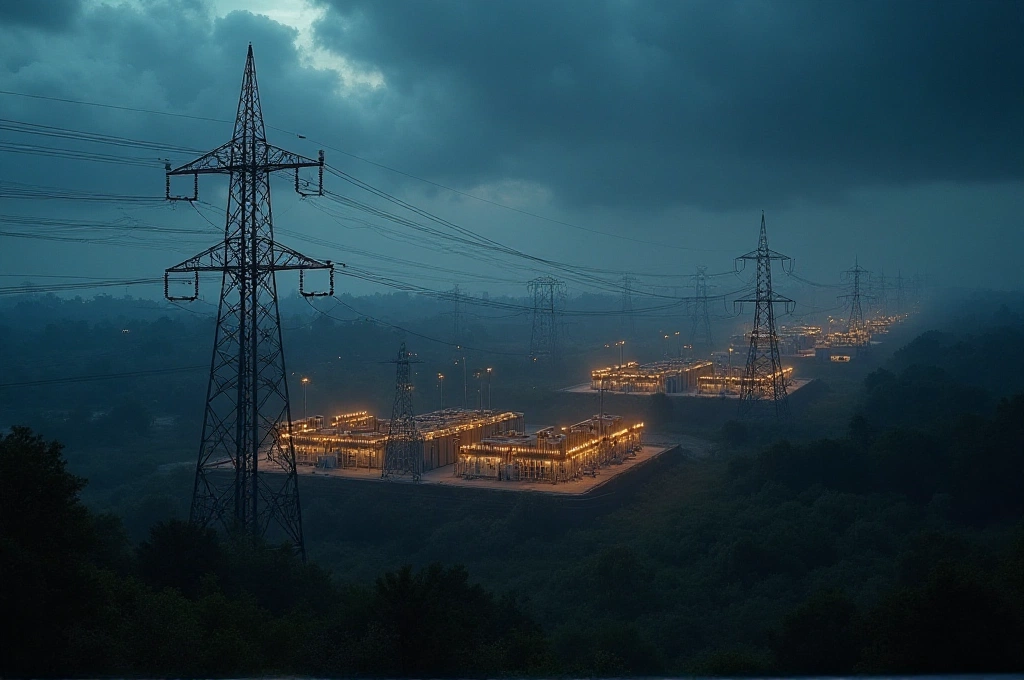
Jon Wellinghoff, former chair of the Federal Energy Regulatory Commission, has warned that destroying nine critical substations could trigger a nationwide blackout, with potential recovery timelines extending to 18 months. This assessment highlights a documented vulnerability in the nation's power grid architecture.
The significance of Wellinghoff's warning centers on grid interdependency. Modern power distribution relies on a relatively small number of strategic chokepoints. If nine specific substations were simultaneously compromised, the resulting cascading failures could theoretically isolate major regions from the broader transmission network, making restoration extraordinarily complex and time-intensive.
The 18-month recovery timeline mentioned by Wellinghoff suggests this scenario differs substantially from regional outages or weather-related disruptions. Extended timelines typically reflect supply chain constraints (transformer manufacturing, component procurement) and the physical complexity of rebuilding critical infrastructure under emergency conditions.
This warning is particularly relevant given recent scrutiny of grid vulnerabilities to both physical sabotage and cyber threats. The specificity of 'nine substations' indicates this is not theoretical speculation but rather a threshold that grid security experts have modeled and analyzed.
What to watch next: Monitor announcements regarding grid hardening initiatives, particularly investments in substation redundancy and geographic distribution of critical nodes. Changes in physical security protocols at major transmission facilities, or formal FERC guidance on infrastructure protection, would signal whether grid operators are implementing structural defenses against this class of threat. Watch also for industry discussions about transformer manufacturing capacity — this bottleneck directly constrains recovery speed in major outage scenarios.
