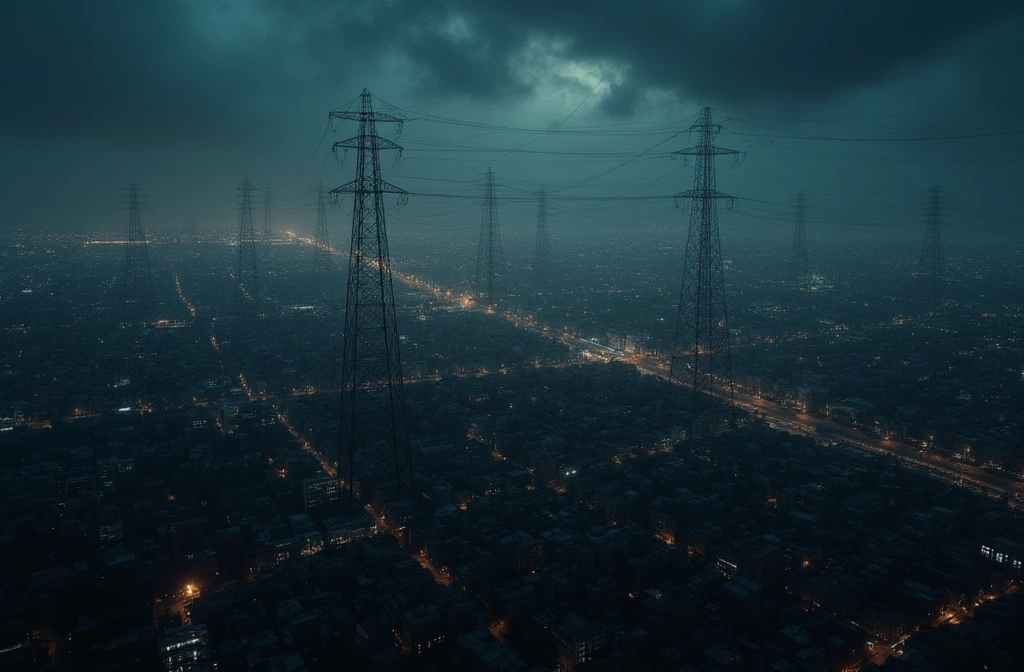
According to Radio Azattyq, a sudden power grid failure crossed national borders on Friday, August 14, affecting four Central Asian countries simultaneously and disrupting essential services across multiple major cities. The incident exposed critical vulnerabilities in the regional power infrastructure—specifically, how tightly coupled these national grids are to one another without adequate isolation or redundancy.
This matters because cascade failures in interconnected infrastructure rarely stay contained. When grid operators in one nation lose control of their network, they can inadvertently destabilize neighbors. Central Asia's power systems were built during the Soviet era with integration as a feature, not a choice—meaning a localized fault can propagate across borders faster than operators can respond.
For preparedness-minded readers, this event is a live case study in systemic risk. Power grids that depend on cross-border flow have no margin for error. When one component fails, there's no clean circuit-breaker between nations. Water treatment, communications infrastructure, fuel distribution, medical facilities—all depend on that grid staying live. A four-country simultaneous outage suggests either a cascade failure originating from a single point of failure, or simultaneous stress on systems designed to handle independent faults but not coordinated ones.
What to watch: Monitor whether repair timelines vary significantly between countries. Uneven restoration speeds could indicate whether the failure was physical (transmission line down, transformer destroyed) versus cyber or operational (control system failure, protective relay misfunction). Also watch for statements from grid operators about what triggered the cascade—that detail will determine whether similar vulnerabilities exist elsewhere in interconnected regional systems.
This is not unique to Central Asia. Europe's grids, North America's interconnects, and Southeast Asia's power networks all carry similar cascade risk. When infrastructure is built for peacetime efficiency rather than resilience to cascading failure, you get events like this one.
