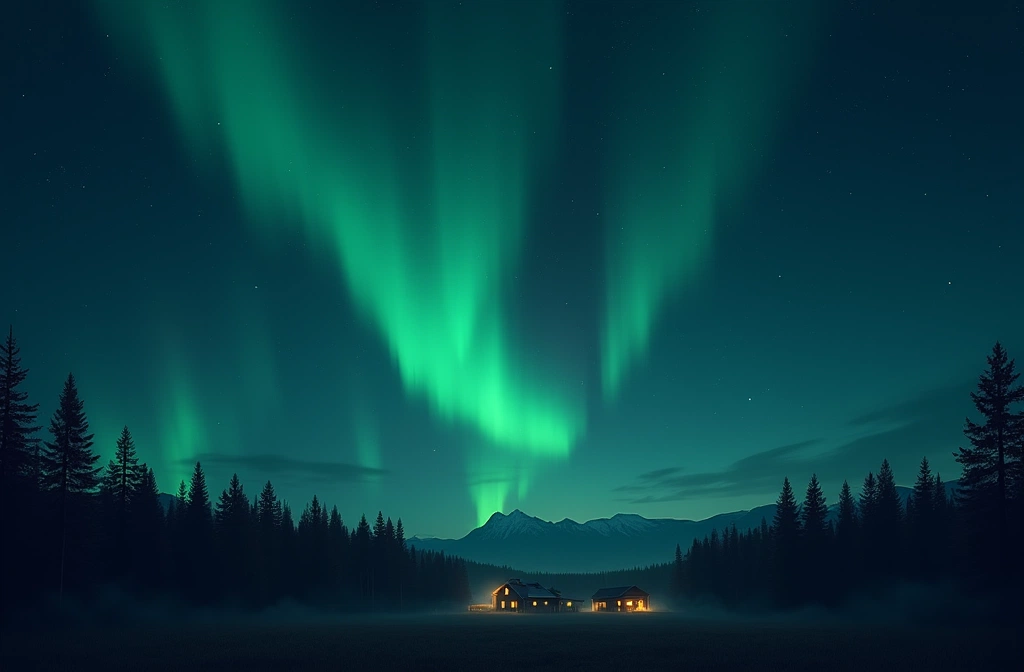
A new solar burst is expected to trigger a G1 geomagnetic storm between Friday night and Saturday, according to NOAA. The event could produce visible Northern Lights across parts of the United States, offering millions an opportunity to observe auroral activity.
G1 storms sit at the lowest end of the geomagnetic disturbance scale. At this classification level, grid infrastructure, communications systems, and satellite operations face minimal risk. NOAA's forecast suggests this is primarily a visual phenomenon, not an operational emergency.
For preparedness-minded readers, the significance is not immediate risk—it's pattern and baseline. Continued solar activity, even at low grades, reflects an active sun. We're tracking solar cycle 25, which is intensifying. Individual G1 events rarely cascade into systemic failures, but they serve as confirmation that space weather remains a live domain.
The weekend display is safe to observe. If you're in northern latitudes with clear skies, this is a natural intelligence-gathering opportunity: check your local conditions, test your night-vision equipment if you have it, and familiarize yourself with aurora forecasting tools (NOAA's Space Weather Prediction Center is the standard source).
The real intelligence question: watch NOAA's reporting cadence and storm classification over the next 30 days. Escalation from G1 to G2 or G3 events, or clustering of multiple storms within weeks, would signal a more active space weather environment. That's when grid and communications hardening becomes a sharper operational priority. For now, this is a green-light observation event, not a red flag.
