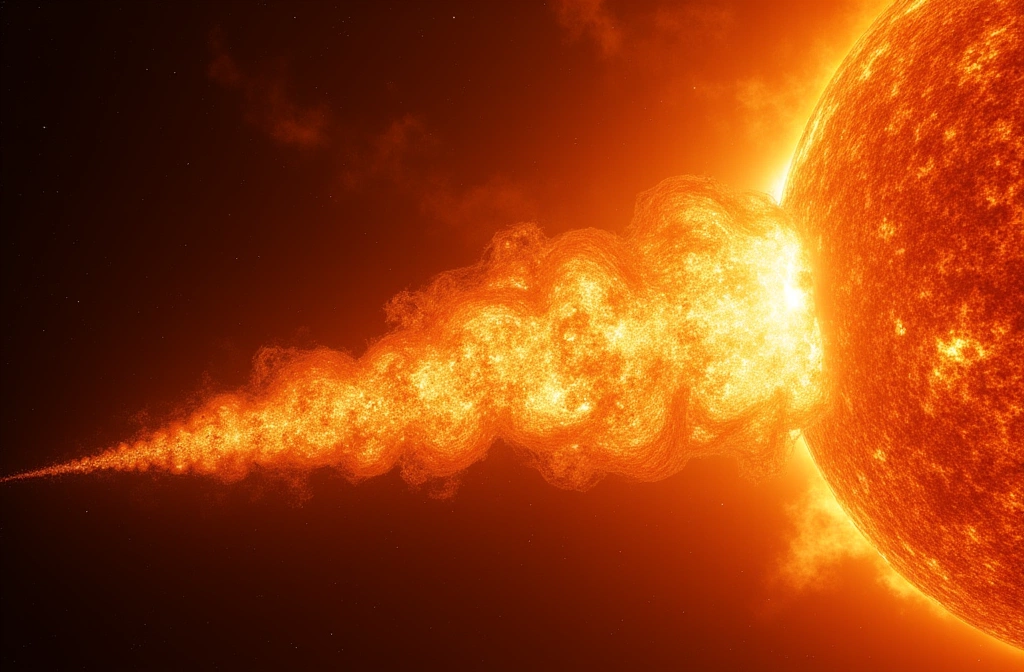
A solar filament eruption observed on July 9, 2026, has the potential to produce an isolated G1 (minor) geomagnetic storm, according to reporting from EarthSky citing NOAA solar activity data. The event could extend active conditions through July 10, with G1 storming levels remaining possible throughout the day.
G1-class storms are the lowest tier of geomagnetic disturbance and typically produce observable aurora displays at northern latitudes—in this case potentially visible over Seattle, Edinburgh, and the northern tier of the United States and Canada. At this severity level, widespread infrastructure disruption is not expected.
Why this matters: Geomagnetic storms are real-world stressors on electrical grids, especially high-voltage transmission systems and long-distance pipelines. Even minor (G1) events can cause localized transformer heating, voltage regulation issues, and occasional protection system false triggers. Communications satellites and GPS-dependent systems experience gradual signal degradation during G1 events rather than hard outages. For critical infrastructure operators, these incidents serve as operational stress tests and reveal vulnerabilities in real time.
The current event is isolated and low-impact by historical standards. However, it illustrates the operational environment: space weather is not hypothetical. NOAA monitors these conditions continuously, and grid operators have protocols in place for G1-level events.
What to watch: The key indicator for escalation would be NOAA classification of subsequent solar events moving into G2 (moderate) or higher categories. If multiple coronal mass ejections occur in rapid succession—a pattern sometimes called a "solar storm season"—cumulative effects on grid stress could increase. July typically sees lower geomagnetic activity than autumn and spring, so isolated events during this season are less concerning than clusters during peak months.
For operators of critical systems, this is a reminder to verify that space weather protocols are current and that NOAA Space Weather Prediction Center alerts are actively monitored. For general readers, no action is required; aurora viewing may be an opportunistic benefit for those in affected northern regions.
