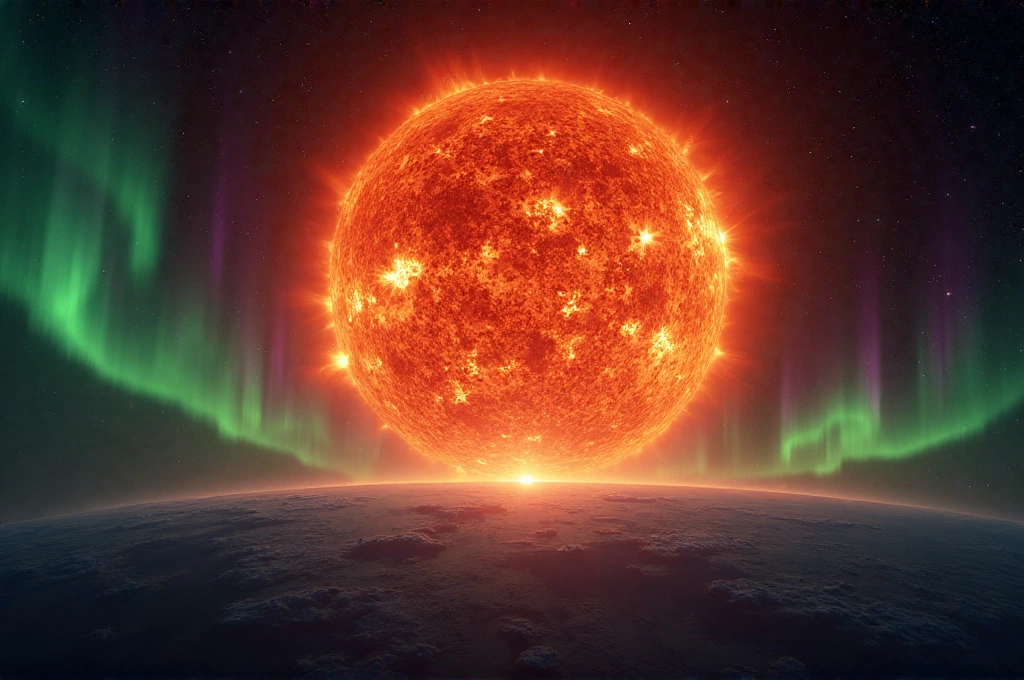
Earth underwent two G1 (minor) geomagnetic storms in the past 24 hours, according to NOAA imagery and reporting. The first occurred at 20:45 UTC on August 23, with a second at 5:45 UTC on August 24. These minor-level events produced visible auroral displays at northerly latitudes but caused no reported infrastructure disruptions.
G1 storms represent the lowest tier on NOAA's geomagnetic storm scale and typically have minimal impact on power grids, satellites, or communications systems. However, the persistence of solar activity—even at low levels—suggests continued monitoring is warranted.
Why this matters: Geomagnetic storms, when they escalate beyond G1 intensity, can degrade GPS accuracy, interfere with high-frequency radio communications, and in severe cases (G4-G5), stress power distribution systems. For infrastructure operators and communications-dependent users, even minor storm activity provides a baseline signal of active solar conditions.
Currently, flare activity remains low per available reporting, but the phrase "potential remains" in coverage suggests solar conditions may not be dormant. This is consistent with normal solar cycle behavior but warrants routine monitoring for those tracking space weather risk.
What to watch: Track NOAA's Space Weather Prediction Center daily alerts and the Kp-index (geomagnetic activity metric). Any escalation to G2 or higher would signal increased risk to infrastructure. For preparedness purposes, minor storms like these serve as useful reminders to verify backup power systems, test emergency communications equipment, and confirm you have current contact information stored offline—steps that remain proportional and practical regardless of current solar conditions.
